Tuesday, 27 September 2016

Health benefits of coconut oil

Coconut oil has a multitude of health benefits, which include but are not limited to skin care, hair care, improving digestion and immunity against a host of infections and diseases. The oil is used not just in tropical countries, where coconut plantations are abundant, but also in the US and the UK. People are discovering the wonders this oil can create and it is again gaining popularity throughout the world. Let us see how many of these benefits you are aware of.

Health Benefits of Coconut Oil

Skin care: Coconut oil is excellent massage oil that acts as an effective moisturizer on all types of skin, including dry skin. Unlike mineral oil, there is no chance of having any adverse side effects on the skin from the application of coconut oil. Therefore, it is a safe solution for preventing dryness and flaking of skin. It also delays the appearance of wrinkles and sagging of skin, which normally accompany aging.

It helps in preventing degenerative diseases premature aging due to its well-known antioxidant properties. It also helps in treating various skin problems including psoriasis, dermatitis, eczema and other skin infections. For that exact reason, coconut oil forms the base ingredient of various body care products like soaps, lotions, and creams that are used for skin care.
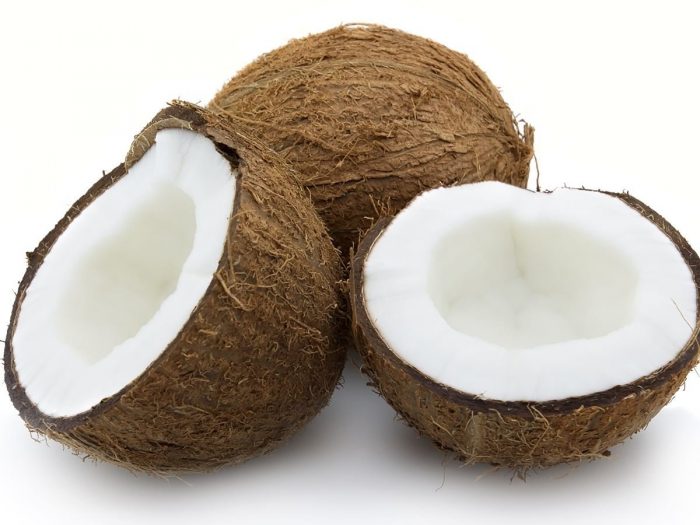
CoconutHair care: Coconut oil helps in healthy growth of hair and gives your hair a shiny quality. It is also highly effective in reducing protein loss, which can lead to various unattractive or unhealthy qualities in your hair. It is used as hair care oil and is used in manufacturing various conditioners and dandruff relief creams. It is normally applied topically for hair care.

Coconut oil is extensively used in the Indian sub-continent for hair care. It is an excellent conditioner and helps the re-growth process of damaged hair. It also provides the essential proteins required for nourishing and healing damaged hair. Research studies indicate that coconut oil provides better protection to hair from damage caused by hygral fatigue.
By regularly massaging your head with coconut oil, you can ensure that your scalp is free of dandruff, even if your scalp is chronically dry. It also helps in keeping your hair and scalp free from lice and lice eggs.
Heart diseases: There is a misconception spread among many people that coconut oil is not good for heart health. This is because it contains a large quantity of saturated fats. In reality, it is beneficial for the heart. It contains about 50% lauric acid, which helps in actively preventing various heart problems like high cholesterol levels and high blood pressure. Coconut oil does not lead to increase in LDL levels, and it reduces the incidence of injury and damage to arteries and therefore helps in preventing atherosclerosis. Study suggests that intake of coconut oil may help to maintain healthy lipid profiles in pre-menopausal women.
Weight loss: Coconut oil is very useful for weight loss. It contains short and medium-chain fatty acids that help in taking off excessive weight. Research suggests that coconut oil helps to reduce abdominal obesity in women. It is also easy to digest and it helps in healthy functioning of the thyroid and endocrine system. Further, it increases the body’s metabolic rate by removing stress on the pancreas, thereby burning more energy and helping obese and overweight people lose the weight. Hence, people living in tropical coastal areas, who use coconut oil every day as their primary cooking oil, are normally not fat, obese or overweight.

Immunity: It strengthens the immune system because it contains antimicrobial lipids, lauric acid, capric acid and caprylic acid, which have antifungal, antibacterial and antiviral properties. The human body converts lauric acid into monolaurin which research has supported as an effective way to deal with viruses and bacteria that cause diseases like herpes, influenza, cytomegalovirus, and even HIV. Coconut oil helps in fighting harmful bacteria like listeria monocytogenes and helicobacter pylori, and harmful protozoa such as giardia lamblia.
coconutoilinfographicDigestion: Internal functions of coconut oil occur primarily due to it being used as cooking oil. It helps to improve the digestive system and thus prevents various stomach and digestion-related problems including irritable bowel syndrome. The saturated fats present in coconut oil have antimicrobial properties and help in dealing with various bacteria, fungi, and parasites that can cause indigestion. It also helps in the absorption of other nutrients such as vitamins, minerals and amino acids.
Candida: Candida, also known as Systemic Candidiasis, is a tragic disease caused from excessive and uncontrolled growth of yeast called Candida Albicans in the stomach. Coconut provides relief from the inflammation caused by candida, both externally and internally. Its high moisture retaining capacity keeps the skin from cracking or peeling off. Capric acid, Caprylic acid, caproic acid, myristic acid and lauric acid found in coconut oil help in eliminating Candida albicans.
Further, unlike other pharmaceutical treatments for candida, the effects of coconut oil is gradual and not drastic or sudden, which gives the patient an appropriate amount of time to get used to the withdrawal symptoms or Herxheimer Reactions (the name given to the symptoms accompanying body’s rejection of toxins generated during elimination of these fungi). But, in the treatment of this condition, people should systematically and gradually increase their dosages of coconut oil and shouldn’t initially start with a large quantity.
Healing and Infections: When applied to infected areas, coconut oil forms a chemical layer that protects the infected body part from external dust, air, fungi, bacteria and viruses. Coconut oil is highly effective on bruises because it speeds up the healing process of damaged tissues.
According to the Coconut Research Center, coconut oil kills the viruses that cause influenza, measles, hepatitis, herpes, SARS, and other serious health risks. It also kills bacteria that cause ulcers, throat infections, urinary tract infections, pneumonia, and gonorrhoea. Finally, coconut oil is also effective in the elimination of fungi and yeast that cause ringworm, athlete’s foot, thrush, and diaper rash.

Other Benefits


Coconut oil is strongly recommended for a number of other benefits that are explained below. Using coconut oils has been shown to mildly help the following:
Liver: The presence of medium chain triglycerides and fatty acids helps in preventing liver diseases because those substances are easily converted into energy when they reach the liver, thus reducing the work load of the liver and also preventing accumulation of fat.
Kidney: It helps in preventing kidney and gall bladder diseases. It also helps to dissolve kidney stones.
Pancreatitis: Coconut oil is also believed to be useful in treating pancreatitis.
Stress relief: Coconut oil is very soothing and hence it helps in removing stress. Applying it to the head, followed by a gentle massage, helps to eliminate mental fatigue. According to research virgin coconut oil gives relief from stress and has antioxidant properties.
Diabetes: Coconut oil helps in controlling blood sugar, and improves the secretion of insulin. It also promotes the effective utilization of blood glucose, thereby preventing and treating diabetes.
Bones: As mentioned earlier, coconut oil improves the ability of our body to absorb important minerals. These include calcium and magnesium, which are necessary for the development of bones. Thus, it is very useful to women who are prone to osteoporosis after middle age.
Dental care: Calcium is an important component of our teeth. Since coconut oil facilitates absorption of calcium by the body, it helps in developing strong teeth. It also stops tooth decay. Recent research suggests that coconut oil is beneficial in reducing plaque formation and plaque induced gingivitis.
HIV and cancer: It is believed that coconut oil plays an instrumental role in reducing a person’s viral susceptibility for HIV and cancer patients. Preliminary research has shown an indication of this effect of coconut oil on reducing the viral load of HIV patients.
Coconut oil is often used by athletes, body builders and by those who are dieting. The reason behind this being that it contains less calories than other oils, its fat content is easily converted into energy, and it does not lead to accumulation of fat in the heart and arteries. Coconut oil helps boost energy and endurance, and generally enhances the performance of athletes.
Coconut oil and Alzheimer’s disease: The research conducted by Dr. Newport states that the oil is useful in treating Alzheimer’s disease. Apart from this there is no scientific evidence or traditional knowledge of coconut oil being used for treating Alzheimer’s. In fact, it is not traditionally thought that the oil helps in boosting the function of the brain in any form.

Use as Carrier Oil

Carrier oils are those oils, which easily penetrate or absorb into the skin and thus facilitate seepage or absorption of other oils (such as essential oils) and herbal extracts through the skin when mixed into it. It is easily absorbed through the skin’s pores and thus is used as carrier oil. Furthermore, being one of the most stable oils, it doesn’t go rancid, nor does it let the other oils, herbal extracts, or medicines spoil inside of it. It does not alter the properties of the oils and herbs mixed within it. It also protects the herbs and oils from microbial or fungal interactions. Coconut oil is expensive in several countries; however, in tropical countries its cost is low enough to make it affordable as carrier oil.

Buying Coconut Oil

There are primarily 6 varieties of coconut oil: pure, refined, virgin, organic, fractionated and extra virgin (this is most debated form as there are no standards on virginity and it is unclear as to what qualifies as extra virgin oil). When you want to buy coconut oil, first of all, you need to decide why you need it and where you are going to use it. Your choice should be based on your need, like whether you want it for edible purposes or as a carrier oil to be used in aromatherapy, for massaging, for weight loss, or for medicinal purposes. Below is a list of such purposes and the type of coconut oil to buy.
Purpose————–Preferable Type to Buy
Cooking—————-Refined
Weight Loss———–Virgin
As a Carrier Oil——-Virgin, Fractionated
Good Health———-Virgin, Organic
Massaging————-Pure, Refined
Medicinal uses——–Virgin, Virgin Organic
Furthermore, before you buy coconut oil, you should keep in mind that for edible and therapeutic uses, refined oil is the best as it is hygienic and clean. Unrefined oil is good for external applications like hair care and skin care.
How to use and store it?
Unlike most other oils, coconut oil has a high melting point – about 24 to 25 degrees Celsius or 76-78 Fahrenheit. Therefore it is solid at room temperature and melts only when the temperature rises considerably. It is often in this form, and obviously, don’t keep it in your refrigerator.
If you are using coconut oil for topical purposes, especially hair care, just melt the oil (if it is solid) by keeping the bottle in the sun or soaking it in warm water. You can also take some oil out and put it in a small bowl and heat the bowl over a flame (don’t use a microwave). Then, take the oil on your palm and apply it to your hair. If you want to use it for internal consumption, simply replace butter or vegetable oils with coconut oil in your recipes. Remember, you don’t need to completely switch to coconut oil, because then you will lose the other benefits of more traditional oils and dairy products.
In colder countries, coconut oil comes in good, broad containers. However, if you get it in a pack (tetra-pack or plastic pouch), after opening the pack, be sure to keep the oil in containers with tight lid and broad mouth so that you can scoop it out with a spoon if it solidifies. Keeping it sealed or lidded is necessary because there are other admirers of coconut oil (ants, cockroaches, other insects and rodents just love it!).
I don’t like the taste of coconut oil. What should I do?: Try using it in a variety of different recipes. However, if you get nauseated after eating coconut oil, don’t force yourself to eat it. As can happen with any food item, your body may be allergic to coconut oil and it is best not to consume it.
Where to buy from?: Pure and refined coconut oils are easily available in most grocery stores, especially in tropical countries. For other varieties, you may need to search in larger department stores or drug stores. In countries which do not produce coconut oil, like the US, Canada, and most of Europe, you will need to visit big grocers or grocery stores in localities which have higher populations of people from India, Thailand, Sri Lanka, Philippines, and coastal Africa. Obviously, you can order it online as well and have it delivered wherever you live.
Which brand to buy?: When you are buying coconut oil in packs, go for the reliable and reputable brands. Read the contents carefully and check the manufacturing date (although it has a long shelf life, fresher is still better).
How much to pay?: The price of coconut oil depends on many factors such as its availability (cheaper where it is produced and more costly in other places, and it is even more expensive when ordered via phone, Internet etc.). The price is also affected by demand, variety (the refined one costs the least, followed by the fractionated, the virgin, the organic and the organic virgin coconut oils), brand, and quantity (buying in bulk costs a little less).
How much to buy? Buy only as much you can consume in few months, because despite the fact that coconut oil does not go rancid for a long time, it is not wise to store it unnecessarily. You will get better results with fresh coconut oil.

Composition of Coconut Oil

More than 90% of coconut oil consists of saturated fats (Don’t panic! It’s not as bad as it sounds, read to the end of this review and your opinion may change), along with traces of a few unsaturated fatty acids, such as monounsaturated fatty acids and polyunsaturated fatty acids. Virgin coconut oil is no different from this.
Saturated fatty acids: Most of them are medium chain triglycerides, which are supposed to assimilate well in the body’s systems.
-Lauric acid: It is the chief contributor, representing more than 40% of the total, followed by capric acid, caprylic acid, myristic acid and palmitic. The human body converts lauric acid into monolaurin. Lauric acid is helpful in dealing with viruses and diseases.
-Capric acid: It reacts with certain enzymes secreted by other bacteria, which subsequently convert it into a powerful antimicrobial agent, monocaprin.
-Caprylic acid, caproic acid and myristic acid: They are rich in antimicrobial and antifungal properties
Unsaturated fatty acids: Polyunsaturated fatty acids- linoleic acid, monounsaturated fatty acids- Oleic acid
Poly-phenols: Coconut contains Gallic acid, which is also known as phenolic acid. These polyphenols are responsible for the fragrance and the taste of coconut oil and Virgin Coconut Oil is rich in these polyphenols.
Derivatives of fatty acid: Betaines, ethanolamide, ethoxylates, fatty esters, fatty polysorbates, monoglycerides and polyol esters.
Derivatives of fatty alcohols: Fatty chlorides, fatty alcohol sulphate and fatty alcohol ether sulphate
Vitamins and Minerals: Vitamin E, vitamin K and minerals such as iron.
Hope this will be of some help to you. Got any suggestions? Your comments are welcome! You may also share this information with your friends. Thanks!

Thursday, 22 September 2016

Meningitis

Candida dubliniensis Meningitis as Delayed Sequela of Treated C. dubliniensis Fungemia
Sebastian J. van Hal*Comments to Author(http://wwwnc.cdc.gov/eid/article/14/2/07-0985_article#comment) , Damien Stark*, John Harkness*, and Deborah Marriott*
Author affiliations: *St. Vincent’s Hospital, Darlinghurst, New South Wales, Australia;
Suggested citation for this article

Abstract

We present a case of Candida dubliniensis meningitis that developed 2 months after apparently successful treatment of an episode of C. dubliniensis candidemia in a heart-lung transplant recipient in Australia. This case highlights the importance of follow-up in patients with candidemia or disseminated infection, especially in immunosuppressed patients.
The patient, a 48-year-old man, was admitted to St Vincent’s Hospital, Sydney, Australia, in February 2007 for a heart and bilateral lung transplant for a familial dilated cardiomyopathy with severe secondary pulmonary hypertension. The operation was uneventful. Postoperatively, the patient was admitted to the intensive care unit (ICU), and immune-suppressive agents (cyclosporine, methylprednisolone, azathioprine) and prophylaxis against opportunistic infections (gancliclovir, cotrimoxazole, nebulized amphotericin B at 10 mg twice a day) were begun. After an initial loading dose of 70 mg caspofungin, 50 mg daily was continued for treatment of infection with a Candida spp. isolated from a blood culture on postoperative day 9. Standard phenotypic methods and API 32C (bioMérieux, Marcy l’Etoile, France) confirmed a C. dubliniensis with 99% probability. The same organism was grown from pleural fluid (empyema) and urine (candiduria, normal renal imaging).
Although the isolate’s fluconazole MIC was 0.025 μg/mL (YeastOneYO8, TREK Diagnostic Systems, Ltd., East Grinstead, UK), caspofungin (MIC 0.06 μg/mL) was administered because of ongoing dialysis-dependent renal impairment and abnormal liver function test results related to hepatic ischemia. The transesophageal echocardiogram results were normal. Ophthalmology review failed to demonstrate endophthalmitis. Candidemia clearance was confirmed by negative blood cultures (days 7, 8, and 10 of caspofungin). Repeat urine cultures were sterile. A chest and abdominal computed tomography scan (on day 32 of antifungal therapy) showed a normal liver, spleen, and renal tract as well as bilateral reaccumulated pleural effusions after removal of the intercostal chest drains. However, microbiologic cure was confirmed by a repeat pleural aspiration. In addition, chest radiographs before discharge confirmed total resolution of the pleural effusion. HIV serologic test results were negative. Dose adjustments for cyclosporine and prednisolone were the only changes instituted to the immune-suppressive agents during the patient’s illness. The oral prednisolone was slowly tapered from an initial 50 mg/day to a maintenance dose of 10 mg/day in March. The patient was discharged from intensive care on day 14 and from hospital 52 days posttransplant, in April 2007; he was not receiving any antifungal agents on discharge. The total duration of therapy for disseminated candidiasis was 40 days, consisting of caspofungin (28 days) followed by fluconazole (400 mg/day for 12 days).
The patient was seen 2 months later, in June 2007, with a 3-week history of progressive headache, early morning nausea, vomiting, and weight loss. There was no history of fevers or rigors. Examination showed no neck stiffness, photophobia, or focal neurologic signs. A magnetic resonance imaging scan showed enhancing meninges consistent with meningitis. A lumbar puncture yielded clear cerebrospinal fluid (CSF) with 116 × 106 leukocytes (79% neutrophils and 14% lymphocytes), an elevated protein level of 1,224 mg/L (normal range 0–400 mg/L), and a reduced glucose level of 1.7mmol/L (normal range 2–4 mmol/L) with a concurrent serum glucose level of 5.5 mmol/L(normal range 3.0–7.8 mmol/L). No fungi were seen on Gram stain. At 24 hours, the primary plates and broth culture grew a budding yeast that was identified with a 99% probability as C. dubliniensis on API 32C (bioMérieux).
Molecular confirmation was performed. Genomic DNA was extracted from the culture by using a QIAamp DNA Mini Kit (QIAGEN, Hilden, Germany). C. dubliniensis–specific PCR and internal transcribed spacer (ITS) regions of the rRNA gene complex were amplified as previously described (1,2). The PCR products were purified for sequencing by using the QIAquick PCR Purification Kit (QIAGEN). The sequences were compared to those available in the GenBank databases by using the BLASTN program (www.ncbi.nlm.nih.gov/BLAST). The ITS gene sequences generated showed a 100% similarity to strains of C. dubliniensis (GenBank accession nos. DQ 355947, AF405231, AJ865083, AJ865082, AJ865081). Unfortunately, the initial blood culture isolate was no longer available for comparative sequencing. However, the API 32C and susceptibility profiles (YeastOne YO8) were identical, a finding that suggested that the 2 strains were identical.
Several blood cultures and urine cultures (when the patient was not receiving antifungal therapy) were negative. A chest radiograph was clear with no evidence of effusion. A transthoracic echocardiogram and ophthalmology review were clear for signs of metastatic candidiasis. Fluconazole therapy was begun, and the patient made a full recovery.
Candida is an important pathogen in critically ill patients. Yeasts account for 8%–10% of nosocomial blood culture isolates with an increased incidence in immune-suppressed patients (3). Multiple species cause candidemia; however, 5 species—C. albicans, C. glabrata, C. parapsilosis, C. tropicalis, and C. krusei—account for >95% of all cases worldwide, including Australia (3,4).
C. dubliniensis shares phenotypic characteristics with C. albicans on routine laboratory testing and therefore was only recognized as a novel species with the advent of molecular testing. It remains an uncommon isolate, accounting for <2% of all candidemias (4). The original reports of C. dubliniensis were in mucosal disease HIV-infected patients and patients not infected with HIV (5). Subsequent candidemia was reported from Europe, North America, and Australia in a wide variety of patients with multiple serious medical problems (6–9). C. dubliniensis candidemia in solid organ transplant recipients is rare (10).
Meningitis is a rare manifestation of disseminated disease. Risk factors for meningitis are similar to those associated with invasive candidiasis (4). The risk of developing this complication is unknown. However, 2 specific patients groups, premature neonates and neurosurgical patients, are at increased risk (11,12). C. albicans accounts for 70%–100% of all meningitis isolates. Other reported species include C. glabrata, C. tropicalis, C. parapsilopsis, and C. lusitaniae (4). Our patient represents, to our knowledge, the first documented case of C. dubliniensis meningitis.
Symptoms of fungal meningitis include fever, headache, altered mental status, and meningism. Focal neurologic signs are rare. The frequency and severity of symptoms vary between patient groups. In HIV-infected patients, fever (86%), headache (93%), and meningism (50%) occurred in most patients; by contrast, patients with neurosurgical devices had lower rates of meningism (18%) and headaches (18%) but comparable rates of fever (82%) (10). Candida meningitis in solid organ transplant recipients is extremely rare; symptoms are probably modified by the degree of immune-suppression, as illustrated in our patient.
The diagnosis of meningitis is established by a positive CSF culture. Multiple CSF specimens may be required. CSF parameters are variable, with a mild lymphocytic or polymorphonuclear pleocytosis and an increased protein level. Fungal elements are generally not seen. Thus, CSF abnormalities are indistinguishable from cryptococcal, tuberculous, and some bacterial meningitides (13).
Delayed complications occur after candidemia. Thus, consensus guidelines suggest 3 months’ follow-up to detect these complications (14). Delayed meningeal infection following C. albicans candidemia has been documented; the meningitis occurred 3 months after “successful” therapy (15).
Our patient received curative therapy (negative repeat cultures) for disseminated candidiasis (candidemia, candiduria, and empyema) with caspofungin and fluconazole of adequate duration. Despite this treatment, our patient had delayed meningitis 2 months after therapy. Whether the meningitis was secondary to re-infection or reactivation of latent infection is unclear. Caspofungin was the cornerstone of therapy, and reactivation is possible with this antifungal agent because it has poor CSF penetration. However, re-infection cannot be excluded.
In conclusion, we present a case of delayed C. dubliniensis meningitis. This case highlights the need for clinicians to be aware of possible delayed complications despite apparently successful therapy. Furthermore, routine follow-up (at 3 months) should be considered for all patients following candidemia, especially immune-suppressed patients.
Dr van Hal is a microbiology registrar at St. Vincent’s Hospital, Sydney. His interests include disease manifestation in immune-suppressed patients.

References

  1. Donnelly SM, Sullivan DJ, Shanley DB, Coleman DC. Phylogenetic analysis and rapid identification of Candida dubliniensis based on analysis of ACT1 intron and exon sequences. Microbiology. 1999;145:1871–82.PubMed
  2. Henry T, Iwen PC, Hinrichs SH. Identification of Aspergillus species using internal transcribed spacer regions 1 and 2. J Clin Microbiol. 2000;38:1510–5.PubMed
  3. Pappas PG. Invasive candidiasis. Infect Dis Clin North Am. 2006;20:485–506. DOIPubMed
  4. Chen S, Slavin M, Nguyen Q, Marriott D, Playford G, Ellis D, Active surveillance for candidemia, Australia. Emerg Infect Dis. 2006;12:1508–15.PubMed
  5. Sullivan DJ, Westerneng TJ, Haynes KA, Bennett DE, Coleman DC. Candida dubliniensis sp. nov.: phenotypic and molecular characterization of a novel species associated with oral candidosis in HIV-infected individuals. Microbiology. 1995;141:1507–21.PubMed
  6. Brandt ME, Harrison LH, Pass M, Sofair AN, Huie S, Li RK, Candida dubliniensis fungemia: the first four cases in North America. Emerg Infect Dis. 2000;6:46–9.PubMed
  7. Marriott D, Laxton M, Harkness J. Candida dubliniensis candidemia in Australia. Emerg Infect Dis. 2001;7:479.PubMed
  8. Jabra-Rizk M-A, Johnson JK, Forrest G, Mankes K, Meiller TF, Venezia RA. Prevalence of Candida dubliniensis fungemia at a large teaching hospital. Clin Infect Dis. 2005;41:1064–7. DOIPubMed
  9. Meis JFGM, Ruhnke M, DePauw BE, Odds FC, Siegert W, Verweij PE. Candida dubliniensis candidemia in patients with chemotherapy-induced neutropenia and bone marrow transplantation. Emerg Infect Dis. 1999;5:150–3.PubMed
  10. Mubareka S, Vinh DC, Sanche SE. Candida dubliniensis bloodstream infection: a fatal case in a lung transplant recipient. Transpl Infect Dis. 2005;7:146–9. DOIPubMed
  11. Fernandez M, Moylett EH, Noyola DE, Baker CJ. Candidal meningitis in neonates: a 10-year review. Clin Infect Dis. 2000;31:458–63. DOIPubMed
  12. Montero A, Romero J, Vargas JA, Regueiro CA, Sanchez-Aloz G, De Prados F, Candida infection of cerebrospinal fluid shunt devices: report of 2 cases and review of the literature. Acta Neurochir. 2000;142:67-/74.
  13. Casado JL, Quereda C, Oliva J, Navas E, Moreno A, Pintado V, Candidal meningitis in HIV-infected patients: analysis of 14 cases. Clin Infect Dis. 1997;25:673–6. DOIPubMed
  14. Edwards JE, Bodey GP, Bowden RA, Buchner T, de Pauw BE, Scott G, International Conference for the Development of a Consensus on the Management and Prevention of Severe Candidal Infections. Clin Infect Dis. 1997;25:43–59. DOIPubMed
  15. Porter SD, Noble MA, Rennie R. A single strain of Candida albicans associated with separate episodes of fungemia and meningitis. J Clin Microbiol. 1996;34:1813–4.PubMed

Suggested citation for this article: van Hal SJ, Stark D, Harkness J, Marriott D. Candida dubliniensis meningitis as delayed sequella of treated C. dubliniensis fungemia. Emerg Infect Dis [serial on the Internet]. 2008 Feb [date cited]. Available from http://wwwnc.cdc.gov/eid/article/14/2/07-0985
DOI: 10.3201/eid1402.070985

Tea tree oil

Given the rise in candida infections (Hsu 2011), and their increasing resistance against commonly used antifungal drugs (Pfaller 2012), novel therapies for the prevention and management of these infections are needed (Mailander-Sanchez 2012).
Dietary modifications such as limiting intake of refined carbohydrates (e.g., pasta, bread, sweets, soft drinks, etc.) may be helpful for people with candida infections. Higher dietary sugar is associated with vulvovaginal candidiasis and abnormal glucose metabolism is associated with recurring vulvovaginal infections (Donders 2010). Diets rich in carbohydrates are also associated with candida overgrowth in the gastrointestinal tract and may contribute to mucosal invasion (Weig 1999; Akpan 2002). Laboratory studies indicate that excess glucose weakens the immune system’s response to candida as well as the azole class of antifungal drugs (Rodaki 2009). Candidiasis patients should maintain a healthy, well-balanced diet, as poor nutrition is a commonly overlooked risk factor for bacterial and fungal infections (Curtis 2010). More information about blood sugar control is available in the Diabetes protocol.
Probiotics – Data suggest that probiotics such as lactobacillus are beneficial against mucosal candida infections (Mailander-Sanchez 2012), and should be especially considered for women who suffer from more than three yeast infections per year (Falagas 2006). Research shows that probiotics exert their beneficial actions by suppressing the growth of candida (in various regions of the body) and inhibiting candida’s ability to adhere to cell surfaces (Balish 1998).
Dietary products containing probiotic bacteria (e.g., certain cheeses and yogurts) can help control candida growth in the human body (Hatakka 2007; Williams 2002). In a study, yogurt containing lactobacillus was associated with a decreased amount of vaginal yeast (detected by culture), as well as a reduced rate of vaginal discharge associated with yeast infections (Martinez 2009).
While yogurt has long been considered a favorite natural remedy for vaginal candidiasis, and has been shown to suppress Candida albicans growth (Williams 2002; Hamad 2006), women must carefully choose yogurt products that are low in sugar. Supplemental probiotics containing lactobacillus, administered either orally or vaginally, can also help resolve urogenital infections (including yeast infections) (Reid 2001; Abdelmonem 2012). In particular, the lactobacillus species rhamnosus and reuteri have been studied for repopulating vaginal flora and reducing yeast populations (Reid 2003; Reid 2009).
Probiotics may also be useful after a course of antibiotics. Antibiotics used to kill pathogenic bacteria also destroy the beneficial bacterial flora of the vagina, putting women at risk to develop yeast infections (Donders 2010). Probiotics also help re-balance gut bacteria, and thus may help avoid symptoms of leaky gut syndrome (Horne 2006).
Resveratrol – Resveratrol, a compound found in the skin of grapes, may contribute to the anti-inflammatory characteristics of red wine. In 2007, researchers investigated (in a laboratory) the fungicidal activity of resveratrol against Candida albicans. They concluded that resveratrol demonstrated potent antifungal properties, and appears to be safer than conventional antifungal drugs such as amphotericin B (Jung 2007). In 2010, further research revealed that resveratrol impairs the ability of Candida albicans to convert into its more infectious form, and thus may be a useful agent against candida infections. In fact, resveratrol’s chemical structure may form the foundation of an entirely new class of antifungal drugs (Okamoto-Shibayama 2010).
Goldenseal – Goldenseal (Hydrastis canadensis L.) is a botanical that has been used to fight inflammation and infection. An active ingredient in goldenseal is berberine (Ettefagh 2011), which has been shown to have strong antifungal effects against candida in a laboratory setting (Liu 2011). Berberine has also demonstrated synergistic effects against Candida albicans when used in combination with commonly used antifungal drugs (e.g., fluconazole) in laboratory studies (Wei 2011; Iwazaki 2010; Xu 2009). Berberine may combat candida growth by interfering with the ability of the fungus to penetrate and adhere to host cells (Yordanov 2008). Study outcomes have been so positive that, similar to the case with resveratrol, synthetic analogs of berberine are being developed that may represent a new class of antifungal medications (Park 2006; Park 2010).
Although berberine has been studied in human clinical trials and shown to have several metabolic benefits, concerns about long-term use of berberine have been raised on the basis of certain preclinical studies (Kysenius 2014; Mikes 1985; Mikes 1983). Some evidence suggests that long-term berberine use, especially at high doses, may impair particular aspects of cellular metabolism in specific types of cells. The implications of this preclinical research are yet to be determined by long-term human clinical trials, therefore Life Extension currently recommends short-term use of berberine.
Lactoferrin – Lactoferrin, a protein found in mucosal secretions (e.g., human colostrum/milk, tears, saliva, and seminal fluid) (Haney 2012; Andrés 2008; Venkatesh 2008), possesses broad-spectrum antimicrobial activity against bacteria, fungi, viruses, and protozoa (Kobayashi 2011). Lactoferrin demonstrates a significant antifungal effect against a variety of pathogenic candida species (i.e., Candida albicans, Candida krusei and Candida tropicalis) (Al-Sheikh 2009). In addition to lactoferrin’s ability to interfere with candida growth on its own, it also displays potent synergism with common antifungal drugs; it has been shown to enhance the antifungal activity of fluconazole against candida (Kobayashi 2011). Although lactoferrin’s antifungal activity against Candida albicans has been well established, the mechanism by which it achieves this effect is not as clear (Andrés 2008). Lactoferrin’s ability to bind to iron may contribute to its antifungal activity (Yen 2011), especially since iron appears to enhance the proliferation of candida species (Al-Sheikh 2009).
Lactoferrin derived from both bovine and human sources inhibits growth of oral candida (Venkatesh 2008). However, bovine derived lactoferrin has been specifically identified as a promising treatment option for oropharyngeal candidiasis (Yamaguchi 2004).
Tea Tree Oil – Tea tree oil is an essential oil derived from leaves of the native Australian plant Melaleuca alternifolia (M. alternifolia). It is well known for its medicinal value and has been used by Australian Aborigines to treat colds, sore throats, skin infections, and insect bites (Larson 2012; Warnke 2009). Tea tree oil has a variety of therapeutic properties (e.g., anti-inflammatory and antiseptic) and is a popular ingredient in a number of natural cosmetic products (e.g., shampoo, massage oil, and skin/nail cream) (Larson 2012; Catalán 2008; Mondello 2006). Tea tree oil, capable of eliminating a large number of microorganisms (Catalán 2008), shows promise as a treatment for candida infections (Willcox 2005). Animal studies indicate that one of the active compounds in tea tree oil, terpinen-4-ol, may be especially promising for treating drug-resistant forms of vaginal candidiasis (Mondello 2006). Furthermore, tea tree oil may have beneficial effects against fluconazole-resistant oropharyngeal candidiasis (Wilcox 2005).
Laboratory research indicates that tea tree oil may exert its yeast-killing effect by inhibiting candida’s ability to replicate. It also appears to interfere with membrane properties/functions of candida (Catalán 2008). In addition, research has demonstrated tea tree oil reduces candida’s ability to adhere to human cell surfaces (Sudjana 2012).
Although tea tree oil is occasionally associated with contact dermatitis (when used topically), it is generally considered to be safe. However, it can be toxic when ingested orally, producing a variety of negative effects (e.g., vomiting, diarrhea, and hallucinations) (Larson 2012). Therefore, it is typically used topically and should be kept out of the reach of young children.
Other Essential Oils – Essential oils (i.e., volatile oils) refer to the compounds found within aromatic plants that give them a particular odor or scent (NIH 2012). Most essential oils are a mixture of various chemicals, which are of clinical interest due to their large spectrum of biological activities (de Araujo 2011).
Although tea tree oil is considered one of the most important essential oils for biological activity against candida (Mondello 2006), a wide variety of essential oils possess anti-candida properties (e.g., carvacrol, 1,8-cineole, geraniol, germacrene-D, limonene, linalool, menthol, and thymol) (Azimi 2011). Experimental models involving geranium oil (or its main component geraniol) show that it suppressed candida cell growth (Maruyama 2008). In addition, clove oil and its major constituent eugenol have shown particularly potent effects against candida (Nozaki 2010), and may be effective against multi-drug resistant forms of Candida albicans alone or in combination with other common antifungal drugs (e.g., fluconazole or amphotericin B) (Khan 2012). A laboratory study demonstrated that essential oil from Moroccan thyme may act synergistically with common antifungal drugs, potentially reducing the need for high doses, which may in turn minimize associated side effects and treatment expenses (Saad 2010). Research has also identified the essential oil of Lemon Verbena (Aloysia triphylla) as a promising alternative for the treatment of candidiasis (Oliva Mde 2011). Compounds isolated from the essential oil of oregano possess antifungal activity as well (Rao 2010).
Garlic – For centuries, the garlic plant Allium sativum has been used as a popular food, spice, and herbal remedy (Aviello 2009; Dini 2011). Garlic has been noted to possess cardiovascular (Ginter 2010), anticancer, antioxidant, and antimicrobial benefits (Dini 2011). Garlic (and its constituent allicin) can cause potent growth inhibition in yeast and be effective against mucosal and systemic/invasive candidiasis (Chung 2007; Low 2008). Research suggests that allicin, due to its effect on reducing the growth of biofilm (a component of candida allowing it to become resistant to certain antifungal agents), may reduce candida’s ability to become resistant to common antifungal drugs. Allicin may also decrease the production of candida by disrupting its membrane (Khodavandi 2011). A clinical trial found that the topical administration of a garlic paste was as effective at suppressing the symptoms of oral candidiasis as clotrimazole solution (the conventional antifungal treatment for this indication) (Sabitha 2005). Likewise, a clinical study of candida vaginitis concluded that there was no difference in treatment response between a vaginal cream containing garlic & thyme, and a vaginal cream containing clotrimazole (Bahadoran 2010).

Additional Alternative Therapies

AHCC – Active Hexose Correlated Compound (AHCC) is an extract derived from fungi of the Basidiomycetes family. AHCC has demonstrated biological activity against a variety of disorders (NIH 2012). Experimental research has shown that AHCC appears to have a protective effect against candida infections, especially among the immunocompromised (Ikeda 2003). Likewise, a 2008 experimental study suggested that supplementation with AHCC may increase the survival of hosts acutely infected with a variety of pathogens such as Candida albicans (Ritz 2008). Additional therapies to support a healthy immune system can be found in the Immune System Strengthening protocol.
Caprylic Acid – Caprylic acid (i.e., octanoic acid) is commonly available as a non-prescription agent that is well known for its anti-bacterial and anti-fungal properties (Omura 2011).
Boric Acid – Boric acid (i.e., boracic acid or orthoboric acid) is the most common form of the mineral boron, which is often used as a supplement for building strong bones and muscles as well as supporting cognitive function and muscle coordination (NIH 2012; Iavazzo 2011). Boric acid has also been shown to inhibit the growth and reproduction of fungi (i.e., fungistatic action) (Iavazzo 2011), and is used intra-vaginally to treat yeast infections (NIH 2012; Spence 2007). In fact, a 2011 review article concluded that boric acid may be recommended as a safe, effective, and relatively cheap treatment for recurrent yeast infections (Iavazzo 2011). Boric acid has also been proven to be efficient for the treatment of most yeast infections that are resistant to conventional therapies (Donders 2010), and thus may be considered a second-line alternative treatment option for this indication (das Neves

Onychomycosis

Although most cases of candida infection are treated with some type of antifungal agent, the formulation of the medication (e.g., pills, ointment, suppositories, or powder) will largely depend on the location and clinical presentation of the infection (Pammi 2012; Ferri’s 2012).
Mild oral candidiasis can be treated with either clotrimazole lozenges or a nystatin swish-and-swallow suspension, but may require oral fluconazole for moderate to severe and recurrent cases (Kauffman 2012). An emerging treatment for oral candidiasis involves the use of mouthwash containing silver nanoparticles (SN). Although this approach requires more investigation to include safety and efficacy, it may hold therapeutic potential in the near future (Monteiro 2012).
Candidiasis of the skin is most often managed with topical antifungal agents of the azole class (e.g., bifonazole or ketoconazole) (Katoh 2009). People with candidiasis of the skin should also keep the skin as dry as possible and, if appropriate, use antifungal mouth rinses or shampoos.
Fungal infections of the finger/toe nail plate (e.g., onychomycosis) are typically treated with both topical and systemic antifungals. However, long-term cure and recurrence rates, as well as costs associated with these treatments, are often unsatisfactory. For this reason, researchers have studied the effects of laser therapy for the treatment of onychomycosis; they found that this technology is capable of inhibiting the growth of the fungus on nail samples (Manevitch 2010). In severe cases that do not respond to drug therapy, surgical removal of all or part of the nail plate may be considered (Singal 2011).
Vaginal candida infections can be treated with topical or oral antifungal drugs such as fluconazole or nystatin (Sobel 2012). The species of candida a woman is infected with can influence treatment response. For example, fluconazole and nystatin are both effective for the treatment of Candida albicans, but in women with non-albicans species, only fluconazole is highly effective (Rodrigues Martins 2012).
Treatment for invasive/systemic candidiasis depends on a variety of factors, but will most likely involve intravenous or oral therapy with any one of the following drug classes: polyenes, azoles, and echinocandins (Kauffman 2012d). The polyene drug amphotericin B is a very common treatment, but is hindered by considerable kidney toxicity. Therefore, newer, less toxic derivatives of the drug (e.g., liposomal amphotericin B) are a better option. The high cost of these formulations, however, can be burdensome in some circumstances (Bassetti 2011; Kauffman 2010).
The side effects of most systemic antifungal drugs are comparable and include headache, gastrointestinal symptoms (e.g., nausea and vomiting), hepatitis, kidney toxicity, and lupus-like syndromes, among others (Werth 2011;

Vulvovaginal candidiasis

Understanding Candida Fungal Infections

Candida albicans is the most common fungal microorganism in healthy individuals, as well as the most common fungal pathogen causing lethal infections (particularly in high-risk groups such as immunocompromised patients) (Cheng 2012; Douglas 2011). It can be found in up to 70% of healthy individuals at any given time (Cheng 2012; Hibino 2009; Schulze 2009).
Candida is considered an opportunistic pathogen because it can harmlessly colonize the human digestive tract, mouth, skin, and genitourinary tract (Kim 2011; Tampakakis 2009). However, when the balance of normal bacteria is upset (e.g., after antibiotic treatment) or the immune system of the host is weakened (e.g. treatment with systemic corticosteroids), candida can proliferate(Murzyn 2010).

Several areas of the body may be affected by fungal infection:

Urogenital tract - Although candida is often found in the lower female urogenital tract in asymptomatic women, proliferation and subsequent infestation of this fungal species accounts for approximately one-third of all infections in the vulva and/or vagina (i.e., vaginitis) (Sobel 2012). Also known as vulvovaginal candidiasis (VVC) or “yeast infection” (Powell 2010), this fungal infection represents the second most common cause of vaginitis in the U.S. (after bacterial vaginosis), and is diagnosed in up to 40% of women who present to their primary care provider with vaginal complaints (Ilkit 2011). Approximately 75% of women report having had at least one episode of VVC, and between 40%-45% will suffer from at least two or more episodes within their lifetime (Workowski 2010).
The most common symptoms of VVC include unrelenting itch, painful intercourse, malodorous vaginal discharge, and painful urination (Workowski 2010). Although the vast majority (up to 92%) of VVC cases are caused by Candida albicans, other candida species can also be responsible (e.g., Candida glabrata and Candida parapsilosis). However, the various candida species tend to produce similar vulvovaginal symptoms. Recently, researchers have reported an increased frequency of VVC caused by non-albicans species (Sobel 2012). This trend may be attributed to selective pressure from the widespread use of over-the-counter and prescription antifungal drugs (Sobel 2012), especially since some non-albicans species are less susceptible to many of these medications (Iavazzo 2011).
Some evidence suggests that hormones influence the infectious process of VVC (Carrara 2010). This conclusion is supported by data indicating that a majority of VVC cases occur during the reproductive years. For example, 75% of women of childbearing age are affected by VVC (Sobel 2012; das Neves 2008; Špaček 2007), while only sporadic episodes of VVC are reported among premenstrual girls and postmenopausal women (Sobel 2012; Špaček 2007). Further research reveals that fluctuating hormone levels resulting from menstruation and pregnancy, as well as the use of oral contraceptives and hormone replacement (i.e., estrogen therapy), may predispose females to VVC (Yano 2011; Relloso 2012).
Researchers have identified several factors that may increase susceptibility to fungal infections including (Sobel 2012):
  • Diabetes (with poor glycemic control)
  • Exposure to antibiotics (both during and after therapy)
  • High levels of estrogen (e.g., oral contraceptives or estrogen therapy)
  • Weakened immune system from drugs (e.g., corticosteroids) or disease (e.g., HIV/AIDS)
  • Contraceptive device utilization (e.g., vaginal sponges, diaphragms, and intrauterine devices)
Although less common, men can get genital fungal infections as well (Aridogan 2011). Therefore, it is important that both members of a relationship receive treatment for fungal infections, even if symptoms are only evident in one person. If antifungal treatment is not initiated in both people in a relationship, the partners may continue to repeatedly infect one another (Brown Univ. 2012).
Skin – Fungal infections of the skin (i.e., cutaneous fungal infections) are a common phenomenon, affecting millions of people worldwide. While cutaneous fungal infection is not normally life threatening, it can be very uncomfortable and associated with a significant decrease in quality of life (Dai 2011; Jayatilake 2011). Candida is just one of a variety of microorganisms commonly found on human skin (NIH 2010). In healthy individuals, the overgrowth of candida is inhibited by resident skin microorganisms (normal bacterial skin flora). However, when there is an imbalance of this normal skin flora, candida can begin to reproduce in sufficient amounts to cause infection (i.e., candidiasis) (Evans 2003). Due to an increase in the number of immunocompromised individuals, the rate of candidiasis of the skin (i.e., cutaneous candidiasis) is currently on the rise (Scheinfeld 2011).
Candidiasis can be broadly classified into two forms based on the degree of fungal invasion: superficial/mucosal candidiasis and deep-seated/systemic candidiasis (Jayatilake 2011). However, superficial candidiasis of the skin and mucous membrane is much more common than deep-seated/systemic infection (Jayatilake 2011). Among the different species of candida that can be found on the skin, Candida albicans is by far the most common (Evans 2003). While cutaneous candidiasis can affect virtually any part of the human body (e.g., finger nails, external ear, in between fingers and toes), it most often occurs in warm, moist, creased areas such as the armpit or groin (NIH 2010; Jayatilake 2011; Kagami 2010; Cydulka 2009; Kauffman 2011). Major symptoms of cutaneous candidiasis include itch (unrelenting and often intense) and an enlarging skin rash. Occasionally, the rash will be surrounded by smaller rashes appearing along the outer edge of the main rash (NIH 2010). These types of fungal rashes may occur on skin that is exposed to feces (e.g., perineal skin), since this area is at a higher risk of becoming infected with candida fungus (Evans 2003).
Individuals whose hands and/or feet remain wet for prolonged periods of time may be prone to fungal infection around or under their finger and toe nails. In these cases, the nail area commonly becomes red and swollen. The nails themselves will become thick and brittle, ultimately becoming destroyed and detached (Cydulka 2009; Kauffman 2011; NIH 2012; NIH 2012). Although anyone’s nails can become infected by fungus, these types of infections are more common among adults older than 60, and among individuals with diabetes or poor circulation (AAFP 2008).
Mouth and throat – Candida infections of the mouth (i.e., oral candidiasis) are widespread among humans (Giannini 2011). In addition to the general factors that predispose an individual to candida infection (e.g., immunosuppressive drugs and antibiotics), oral candidiasis may also be caused by chronic dry mouth and oral prosthesis (dentures)(Junqueira 2012). Although oral infection can be caused by a variety of candida species, Candida albicans is the most common causative agent (Rautemaa 2011).
Oral candidiasis (thrush) is characterized by whitish, velvety sores or patches appearing on the mucous membranes lining the inside of the mouth (e.g., roof of the mouth and inside the lips and cheeks), as well as the throat and tongue (Abe 2004; NIH 2011). These whitish sores may slowly increase in size, quantity, and may bleed easily (NIH 2011). Occasionally, oral candida infections can manifest as subjective feelings of pain or taste abnormalities (Yamamoto 2010).
In addition to infections inside the mouth, candida can also take the form of perlèche (angular cheilitis) (Gonsalves 2007; Sharon 2010), which is commonly identified by reddish lesions and crusting at the corners of the mouth (Park 2011). Perlèche can be associated with long-term use of ill-fitting dentures and incorrect use of dental floss (resulting in cuts at the corners of the mouth) (Sharon 2010).
Systemic infection – Although candida species are normal residents of the gastrointestinal and genitourinary tracts of humans, they occasionally cause a deep-seated or systemic (disseminated) infection (Kauffman 2012b). These serious fungal infections usually indicate the host has a weakened immune system, and can occur as a result of a superficial skin infection that invades deeper tissues, eventually reaching the blood stream (i.e., candidemia). Once the fungus is circulating throughout the body, it has the capacity to reach vital organs such as the brain, heart, and kidneys. While this form of candidiasis is rare, it is the most severe (Jayatilake 2011). These types of fungal infections can be fatal and require prompt diagnosis and aggressive treatment in order to achieve a favorable outcome (Emiroglu 2011).
Since the clinical symptoms of a systemic candida infection can vary, and are often very similar to that of a bacterial infection, the gold standard for its proper diagnosis is a positive blood culture (Kauffman 2012a). Advancements in blood culturing technology now allow for the rapid identification of a variety of candida species in as little as 90 minutes. This reduction in laboratory turnaround time enables clinicians to optimize antifungal drug selection much faster, and ultimately improve care (Advandx 2010; Hall 2012).
Intestinal Candidiasis – Candida organisms are a common part of the normal gastrointestinal flora (Kumamoto 2011), and are present in the gut of approximately 70% of healthy adults (Schulze 2009). However, high levels of candida colonization in the GI tract may be an urgent problem (Zlatkina 2005), especially since it is associated with several gastrointestinal diseases (e.g., irritable bowel syndrome) and certain allergic reactions. (Kumamoto 2011; Schulze 2009). Furthermore, candida colonization in the gut can also promote inflammation, which in turn promotes further fungal colonization in a vicious cycle (Kumamoto 2011).
Intestinal candida colonization can also lead to superficial and systemic candidiasis if the innate host barriers (i.e., mucosa, immune system, intestinal microflora) are not stable (Schulze 2009). Benign strains of intestinal candida can also become more virulent when their gene expression is altered in such a way that they are able to form biofilms, destroy tissues, and escape host immune system defenses (Kumamoto 2011; Schulze 2009). While antimycotics (e.g., nystatin) are available for the treatment of intestinal candida overgrowth, probiotics (having demonstrated positive results in controlled clinical trials) may also be beneficial. Probiotics may exert this affect by rebalancing the normal flora of the gut, thereby suppressing local candida colonization.
Some research questions the clinical significance of yeast infestation of the intestinal mucosa, and suggests that clinical action may not always be necessary (Schulze 2009).
Fungal Sinusitis – Overgrowth of fungus in the nasal cavity (i.e., fungal sinusitis or fungal rhinosinusitis) and the subsequent human immune response (e.g., allergic fungal sinusitis) is currently believed to be responsible for some cases of chronic sinusitis (Ivker 2012). This condition can be classified as either invasive or non-invasive, depending on the extent of fungal infection. Invasive forms of fungal sinusitis are largely limited to immunocompromised populations (Riechelmann 2011), and are characterized by infection of the submucosal tissue, which often causes tissue necrosis and destruction (Montone 2012).
Although optimal treatment options for fungal sinusitis are still debated, (Dabrowska 2011), they typically include systemic antifungal therapy as well as surgical debridement & evacuation of infected tissue (Riechelmann 2011). In addition to these conventional treatment options, some experts believe fungal sinusitis may also respond to probiotics as well as an anti-fungal diet. An anti-fungal diet calls for avoidance of sugar and concentrated sweets, and consists primarily of protein and fresh vegetables, along with a small amount of fruit, complex carbohydrates, and fat-containing foods (Ivker 2012).

Candida-Related Complex (CRC)

While overt candida infection is a well-documented phenomenon, the idea that chronic low-grade candida infestation (primarily in the gut and urogenital tract) can cause various, seemingly unrelated symptoms is viewed with skepticism among conventional infectious disease experts. As a result, the conventional medical community is often at odds with some innovative healthcare practitioners as to the treatment strategy of candida infestation in chronic health conditions.
With his publication of The Yeast Connection in 1986, Dr. William Crook introduced the public to the concept that yeast overgrowth could potentially underlie numerous chronic symptoms (Crook 1986). Seminal scientific research published by Dr. C. Orian Truss in 1977 contributed to the development of Dr. Crook's theory (Truss 1978). The concepts and treatments described in these publications continue to be utilized in the practices of innovative healthcare practitioners worldwide.
The mechanism(s) by which candida overgrowth might cause otherwise unexplainable symptoms are unclear. However, suppression of the immune system, with subsequent reactivation of dormant viruses like Epstein-Barr virus and herpes virus, is one hypothesis (Cater 1995). Other theories posit that candida colonization within the GI tract may contribute to "leaky gut", in which foreign particles "leak" through the intestinal barrier and contribute to systemic reactions (Schulze 2009; Horne 2006; Groschwitz 2009).
Although published, peer-reviewed research on the role of yeast overgrowth in chronic disease is limited, some innovative healthcare practitioners, including Dr. Crook, have detailed reports of improved quality of life upon treatment for suspected yeast overgrowth (Gaby 2011; Crook 1986). Strategies often employed to treat "chronic candida infection" include use of graded doses of antimycotic medications such as nystatin, as well as strict adherence to a sugar- and starch-free diet

It can kill you

Fungal infections are estimated to occur in over a billion people each year, and recent evidence suggests the rate is increasing (Hsu 2011; Di Santo 2010; Brown 2012; Fungal Research Trust 2011). Fungi can infect almost any part of the body including skin, nails, respiratory tract, urogenital tract, alimentary tract, or can be systemic (Long 2009; Baron 1996). Anyone can acquire a fungal infection, but the elderly, critically ill, and individuals with weakened immunity, due to diseases such as HIV/AIDS or use of immunosuppressive medications, have a higher risk (Hsu 2011; Baddley 2011).
Although several species of fungi are potentially pathogenic in humans, candida (esp. Candida albicans) is the organism responsible for most fungal infections. Candida, which is normally present within the human body, is usually harmless. However, it can cause symptoms when a weakened immune system or other factors allow it to grow unabated (Merck Manual 2008; Cheng 2012; Douglas 2011).
Increased use of antibiotics and immunosuppressive drugs such as corticosteroids are major factors contributing to higher frequency of fungal infections. Antibiotics and immunosuppressive drugs, by disrupting normal bacterial colonization and suppressing the immune system, create an environment within the body in which fungi can thrive (Hsu 2011; Tani 2012).
Fungal infections can range in severity from superficial to life-threatening. For example, fungal infections affecting only the top layers of the skin are readily treatable and have a relatively limited impact on quality of life. However, if a fungal infection enters systemic circulation, consequences can be deadly (Badiee 2011; Zuber 2001).
Many integrative medical practitioners believe that chronic, low-level candida infestation can cause a variety of non-specific symptoms that may resemble chronic fatigue syndrome, depression, anxiety, or fibromyalgia. This phenomenon is sometimes referred to as “candida-related complex”. Conventional medical practitioners do not recognize candida-related complex as a disease. However, many innovative healthcare practitioners report improvements in patient quality of life upon treatment (Gaby 2011).
Upon reading this protocol, you will have a better understanding of the various ways that fungi can infect a human host, and how conventional medicine treats these infections. In addition, you will discover several natural compounds that have anti-fungal activity and may complement conventional treatments for fungal infections.

Elephantitis

Severe Disfigurement and Disability

Lymphatic filariasis (referred to as LF and also known as elephantiasis) is a mosquito-borne disease that is caused by parasitic filarial nematodes. Though infection usually is acquired in childhood, the grotesquely disfiguring effects of LF is greatest in adults. LF can lead to severe disfigurement and disability due to swelling from fluid build-up caused by improper functioning of the lymphatic system.
It is estimated that more than 1.3 billion people in 72 countries worldwide are at risk of the disease, and 30% of them live in Africa. Of the over 120 million people infected with LF, 40 million are incapacitated or disfigured by the disease.
In endemic communities, it is estimated that 10-50% of men and up to 10% of women can be infected with LF. Due to the psychological and social stigma associated with LF, people living with the disease have a poor quality of life and are often unable to work, provide for their families or be active members of their communities.

Transmission cycle and symptoms:

When a mosquito with infective stage larvae bites a person, parasites enter the body and migrate to the lymphatic vessels. In the lymphatic system, the larvae develop into adult worms. Infection causes improper functioning of the lymph system, which leads to fluid build-up and swelling (lymphedema).
LF can cause a broad range of clinical manifestations, ranging from people with no evident symptoms to those with lymphedema and severe disfigurement of the extremities and genitalia. The condition where individuals have crippling and grotesquely swollen or enlarged limbs and the skin has thickened is called elephantiasis. Legs can be so severely swollen that individuals are unable to walk.

Did you know...

Elephantiasis is a syndrome most often caused by an obstruction of the lymphatic vessels, which results in extreme swelling of the skin and tissues, typically in the lower trunk and body. It primarily affects the legs and genitals, resulting in baggy, thickened and ulcerated skin, along with fever and chills.
Elephantiasis can be very painful and uncomfortable and reduces the sufferer’s ability to lead a normal life. A serious complication of elephantiasis can be obstructed blood vessels, which limit blood supply and cause the skin to become infected and gangrenous.
In men, lymphedema of the genitalia usually involves swelling of the scrotum, often to the size of a watermelon making it very painful and difficult to walk. In women, the condition may cause swelling to occur in one or both breasts. Internal damage to the kidneys and lymphatic system is also caused by the circulating microfilariae.

Diagnosis and treatment:

Diagnosis of LF requires a detailed epidemiological history, clinical findings and laboratory tests. Though not all individuals have microfilariae circulating in their blood, laboratory examination for microfilariae in nocturnal blood is used to determine whether communities require mass treatment. Once diagnosed, fast-acting, safe and effective drugs are available to treat LF (DEC and albendazole if onchocerciasis is not co-endemic or ivermectine and albendazole if onchocerciasis is co-endemic).
The current treatment strategy for LF is based on studies that have shown that infection transmission can be broken if annual distribution of combined drug therapy is maintained for approximately five to seven years.  DEC is donated by Eisai Co., and albendazole and ivermectine are donated by GlaxoSmithKline and Merck & Co. respectively. In 2000, the WHO launched the Global Program to Eliminate Lymphatic Filariasis (GPELF) in response to World Health Assembly Resolution 50.29, calling for elimination of LF as a public health problem by 2020.

Next: