New hope for many conditions. A new breakthrough treatment now available in the UK
|
We Have an Amazing
90% Success Rate treating the Following Symptoms. 
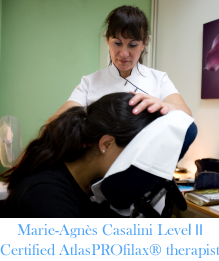
Marie-Agnès Casalini is fully qualified as an AtlasPROfilax® practitioner and has full professional indemnity insurance with Towergate
Professional Risks
Proud member of
 |
Tuesday, 14 October 2014
New hope for us all - Marie Atlas.co.uk - she is 100% correct
 This picture shows a misaligned Atlas to the left side. The rotation causes a reduction in the diameter of the aperture at the base of the skull and vertebral canal. This disrupts the normal flow of information between the brain and body through the vertebral and carotid arteries, and the lymphatic system, the cerebrospinal fluid, the meningeal system and the spinal cord.
 This picture shows a relocated Atlas bone.



Monday, 13 October 2014
Atlas and lower back pain
Answers to Questions about Chiropractic:
Did an Atlas Adjustment Cure My Back Pain?
Samuel Homola, D.C.
Question
About years ago, I had lower back pain on the right side, possibly related to being thrown from horse rides, twice. Upon suggestion, I went to a chiropractor who was trained in "scientific chiropractic." After some study of "leg alignment" (my characterization), weight distribution per leg, and very particular x-ray studies of my neck, he did an adjustment of my atlas. He did this after careful positioning of my body (on support and with measurement) by using his index finger (after carefully positioning myself much like a golfer would prepare for a long putt) to apply some adjustment to the atlas. The pain was relieved but returned and was treated again. The time between treatments became longer and longer. It's now six years or more since I've had reason to see him for a treatment or re-evaluation. Several questions occur to me now:- Was the relief and cure I experienced real, or was it something that I just outgrew?
- Do you have a comment on this modality of treatment?
- Would you describe reasons and appropriate modalities for atlas adjustments?
Answer
The atlas is the highest spinal bone in the neck and has no connection to any structure that could cause back pain. Thus there is no reason to believe that an "atlas misalignment" could cause low-back pain. It seems likely that your recovery from back pain was a natural process that had nothing to do with the hocus-pocus of measuring and adjusting your atlas._________________
There are occasions when neck symptoms caused by locking or fixation of the atlas or some other joint in the neck can be relieved with manual manipulation or mobilization of the neck. But only a few treatments would be required.
Manipulation of the neck as a treatment for low-back pain—or when there are no neck-related symptoms—is a useless and unscientific procedure that poses unnecessary risk to sensitive joints and blood vessels in the neck.
Common sense, as exercised in this case, will often raise questions about treatment methods that are unnecessary or inappropriate
Dr. Homola is a second-generation chiropractor who has dedicated himself to defining the proper limits on chiropractic and to educating consumers and professionals about the field. His 1963 book Bonesetting, Chiropractic, and Cultism supported the appropriate use of spinal manipulation but renounced chiropractic dogma. His 1999 book Inside Chiropractic: A Patient's Guide provides an incisive look at chiropractic's history, benefits, and shortcomings. Now retired after 43 years of practice, he lives in Panama City, Florida.
This page was posted on June 5, 2002
Sunday, 12 October 2014
Candida, Schizophenia and Bipolar - Dr. Shaw - The Great Plains Laboratory
Schizophrenia & Bipolar
Mental disorders have a biological basis. Symptoms of mental disorders often improve with changes in diet and supplementation. The complementary medicine approach to mental disorders assumes that the metabolic causes of all mental disorders are similar. Individuals express these disorders differently….as depression, schizophrenia, bipolar disorder, and so on.
The following tests offered by The Great Plains Laboratory will help guide therapeutic choices and perhaps reduce the need for multiple pharmaceutical interventions:
The following description of a woman’s recovery from psychosis illustrates how metabolic testing can be used.
The article was written by the editor of Safe Harbor, an organization founded in 1998 to promote the idea that psychiatric conditions can be treated through nutrition and removal of toxins. The website is now www.alternativementalhealth.com. Please note The Great Plains Laboratory realizes that in many cases schizophrenia needs to be treated with medication. Please do not go off of your medication unless advised by a physician.
Woman Recovered from Catatonic Schizophrenia and Psychosis
In 1999 a man called the Safe Harbor office in great distress. His wife was psychotic and he was at wit's end. His story - and the happy ending - is featured by The Great Plains Laboratory, an unsung hero in this saga.For decades various doctors have been claiming that much of what passes for mental illness is actually a variety of metabolic problems such as yeast infections, unusual nutritional needs, allergies, toxic reactions, and other physical disturbances that turn normal children and adults into bizarre or disturbed ones.
The problem has always been: How do you test for these metabolic disturbances?
Recent breakthroughs, such as those by The Great Plains Laboratory, have now made such testing possible. This is a true godsend for the autistic and others with severe mental symptoms. These tests can detect things like food allergies that can trigger abnormal brain function.
There is a chasm of difference between being told you have a wheat allergy and being told you have schizophrenia. We congratulate The Great Plains Laboratory for contributing so bountifully to the quality of life of those suffering mental disturbances.
The Organic Acids Test Can Isolate Causes of Psychosis, Depression
"She has catatonic schizophrenia," the doctor told Linda's husband. No further medical tests would be needed, he added.Linda's husband was jolted. But he refused to accept this finding. He went through several doctors and researched the internet until he found a physician who would examine her further. The new doctor ordered a unique 62-point organic acid urine test developed by The Great Plains Laboratory in Kansas.
Several abnormalities were found, including a citric acid level that was five times the normal level. The solution? Injections of a simple nutrient called glutathione and additional nutritional supplements. Below is the organic acid test result for the patient mentioned in the article. To view the high citric acid level scroll down and look under Krebs Cycle metabolites. The abnormal compounds are marked with an H for High or an L for Low.

Organic Acid Interpretation:
Increased glyceric that is elevated in the hyperoxalurias. Normal oxalic would rule out these disorders.Elevated glyceric with normal oxalic acid may indicate a yeast overgrowth of the GI tract. Certain bacteria such as Pseudomonas species can convert yeast tartaric acid to glyceric acid.
Increased citric. Since the enzyme needed to metabolize citric and aconitic (aconitase) is dependent on glutathione, this abnormality could indicate an additional requirement for the supplement called reduced (meaning hydrogenated) glutathione.
Elevation of the serotonin metabolite, 5-hydroxyindoleacetic which can be due to celiac or tropical sprue, carcinoid tumors, or ingestion of foods high in serotonin such as avocado, banana, tomato, plum, walnut, pineapple or eggplant.
Decreased pyroglutamic that is derived from the peptide glutathione, which is an antioxidant and a molecule, involved in detoxification of various toxins; low pyroglutamic could indicate glutathione deficiency.
Suggest one tablet per day Thiodox, a nutritional supplement containing glutathione, n-acetyl cysteine (a glutathione precursor) and lipoic acid, a glutathione regenerator. (NutricologyJnc 1 800 782-4274).
Ascorbic acid (vitamin C) is elevated presumably due to increased intake; this information does not mean that this amount of vitamin C is not nutritionally desirable.
Increased lactic acid.
Lactic acid may be increased to this concentration by a number of nonspecific factors such as vigorous exercise, bacterial overgrowth of the gastrointestinal tract, shock, poor perfusion, anemia and others.
Within 36 hours of her first injection, Linda, who was psychotic for seven months and virtually mute, got on the phone and talked for an hour. A month later she was perfectly normal. "She probably had a severe toxicity of some kind that depleted her glutathione levels," says William Shaw, Ph.D., director of The Great Plains Laboratory. Shaw helped create the lab's remarkable tests. Glutathione helps clear toxins from the body.
Dr. Shaw reports that the organic acid test has been used to find underlying causes in psychosis, schizophrenia, depression, autism, attention deficit disorder, and a host of physical ailments. "A high percentage of people have benefited," he says. "Because they pinpoint the physical basis of the disease."
The organic acid test is commonly ordered to detect the presence of Candida (yeast) overgrowth that can cause a broad spectrum of mental disorders, including depression and schizophrenia.
"I usually recommend allergy tests for psychosis as well," says Shaw. "Mold, for example, can trigger a psychotic reaction in some people. One doctor videoed a female patient who had to be restrained by three people after being exposed to a single drop of mold extract."
In cases of psychosis or schizophrenia, Shaw recommends a standard physical examination and tests to check for underlying medical causes, such as a Chem-25 blood test, urinalysis, thyroid test, and a 5-hour glucose tolerance test. If nothing significant shows, he recommends the organic acids test, a comprehensive food allergy IgG blood test, comprehensive inhalant allergy IgE panel, comprehensive stool analysis, amino acids test, comprehensive fatty acids test, metals hair test and gluten/casein peptide urine test. Psychotics usually poorly digest wheat or milk that can result in the production of opiate (as in opium) peptides (compounds formed from amino acids). All three tests are available at The Great Plains Laboratory.
"We don't have any hard numbers," said Shaw. "But I'd say that 50% of individuals with psychosis would find significant abnormalities in these areas [of the tests] and they would experience benefit."
Saturday, 11 October 2014
Nine tips for Recharging your Immune System
Nine Tips for Recharging Your Immune System
The U.S. government spends about 1/5th of its budget on defense. In the same way, your body "spends" a lot of its resources to protect you from outside invaders — using your military-like immune system.
Yes, you can think of your immune system as a kind of military organization. And its mission is to protect you from outside invaders called antigens. Antigens include not only infections, but can include any protein that looks foreign to your immune system, including toxins, allergens, and even (and especially!) incompletely digested food.
Your immune system does not believe in the Geneva convention, and it will kill outside invaders by any means possible, including chemical warfare (antibodies and cytokines), tank divisions (made up of whole armies of white blood cells), and more. This makes your immune system very complex — and very effective. But it remains so only as long as it has the resources needed to fight, and as long as it's not constantly getting overwhelmed.
In this article, I discuss the 8 key factors that can sabotage your immune system — and 9 tips that can help keep your system strong.
Eight Reasons Your Immune System Is Overwhelmed
Chemical Pollution
There are more than 85,000 new synthetic chemicals in the environment today that human immune systems never had to deal with before.
Imbalanced Gut Bacteria
In health, there are more bacteria in the digestive tract than there are cells in the rest of the entire body! So it should come as no surprise that the largest portion of immune activity is generated in the gut. Healthy bacteria in the gut (i.e., probiotics) work hand in hand with your immune system to keep out 'bad guy' infections. Unfortunately, the widespread use of antibiotics and antacids, along with a diet loaded with Candida-feeding sugar, has disrupted the bacterial balance, leading to an overgrowth of unhealthy bacteria and Candida — and a weakened immune system. Probiotics can be very helpful, but it is critical to use a brand that has an enteric coating to protect the healthy probiotics as they pass through the stomach. Otherwise, they will be killed by your stomach acid, making them unable to fight off the bad guys. An excellent brand that provides this type of protective coating is Pearls Elite. The "pearls" act like a little Army tank that carries the healthy bacteria safely past the stomach acid, where they can then dissolve — releasing over 5 billion probiotic troops in tip top shape. It would take over 30 gallons of "live culture" yogurts to get the effective amount delivered by just 1 pearl!
Food Stripped of Enzymes and Nutrients
The enzymes that cause food to ripen are also needed by our body to digest the food. But food manufacturers have figured out that removing those enzymes during food processing prolongs shelf life. This widespread practice has dramatically increased problems with not only digestion, but also immunity. Why? Without these enzymes, the proteins in food are only partially digested. And then those protein particles enter the bloodstream, where they're mistakenly identified as outside invaders — further stressing an already overtaxed immune system. To put it in perspective, the weight of the protein in a hamburger can be thousands of times the total weight of all the viral particles when one has the flu!
Leaky Gut
To make matters worse, intestinal overgrowth of bacteria and fungi (yeast) like candida also weaken the barrier formed by our intestinal wall. This leaves our "border crossings" wide open for partially digested proteins to enter the bloodstream. (Candida is particularly tough for your immune system to handle because it's such a BIG organism. Think of a virus as the size of a period at the end of sentence. Now think of candida as the size of a house!)
Poor Sleep
Sleep rests and regenerates the immune system. In fact, sleep deprivation is a well-known method for weakening immunity, and the 21st century is a sleep deprivation experiment on a massive scale! In the last 130 years, the average night's sleep has plummeted from 9 hours to 6 3/4 hours, which has further weakened our immunity.
Sugar Overload
The amount of sugar in a can of soda can suppress immune function by 30% for three hours. The average American consumes 150 pounds of sugar added to their diet in food processing per year, which sours the disposition of the immune system. (Excess sugar also feeds candida, promoting yeast overgrowth.)
Zinc Deficiency
Zinc is a key player in keeping a healthy immune system. But this trace mineral is a frequent victim of food processing. In addition, but chronic infections and inflammation lead to further zinc losses in the body. This sets up a vicious cycle of low zinc causing more infections causing more zinc loss.
Imbalanced Hormones
Healthy functioning of your adrenal glands is a must for strong immunity. But because of non-stop stress, poor sleep, excess sugar and other factors, many people have either under- or overactive adrenal glands.
Top Nine Tips for Healthy Immunity
Okay, those are the potential problems. The good news is that some simple measures can help you maintain a healthy and strong immune system.
1. Get eight hours of sleep a night.
There are easy ways to make sure you get enough sleep:
- Reserve caffeine-containing foods and beverages for before 4 PM.
- Eat a 1-2 ounce high-protein snack at bedtime.
- Avoid midnight bathroom interruptions by not drinking fluids an hour or two before bedtime.
- Take a hot bath before bed.
- Keep your bedroom cool.
- Get out of bed the same time every morning, even after a poor night's sleep.
- If needed, use a natural sleep aid, like the Revitalizing Sleep Formula.
- If your mind is wide awake at bedtime, you can also add Sleep Tonight!
- If needed, the medications Flexeril (3 mg), Neurontin (100-300 mg), Desyrel (25-50 mg) and/or Lyrica (150-300 mg) can also help sleep. Using these low doses decreases the risk of side effects and can be combined with the natural therapies.
2. Take a good multivitamin that includes zinc.
I recommend the Energy Revitalization System which includes not only zinc, but about 50 other important nutrients. In addition, take 20 extra mg of zinc for three months to 'refill your zinc tank.'
3. Starve the candida — cut back on sugar.
Candida feed on sugar. An easy way to start cutting back on your intake of the sweet stuff? Limit (or completely eliminate) your intake of the four types of foods that are loaded with added sugar: 1) fast food, 2) processed food, 3) sodas, and 4) fruit juices and drinks.
4. Save antibiotics for when they're really needed.
For example, sinus problems almost never require a dose of antibiotics. Neither do colds, which are a viral (not a bacterial) infection.
5. Take a probiotic.
Probiotics help normalize gut bacteria. I recommend the form of acidophilus called Pearls Elite from Enzymatic Therapy. Take 1 pearl a day for 3-5 months, and then 1 every other day.
6. Take plant-based digestive enzymes.
This not only promotes healthy digestion, but also takes a massive load off your immune system. I recommend the product CompleteGest®.
7. Use an immune-boosting supplement.
My favorite is ProBoost™, which includes an ingredient that mimics Thymulin, a critical immune-balancing hormone. Take this daily for at least 3 months to optimize ongoing immune function (3x a day dissolved under your tongue; any that is swallowed is wasted).
8. Optimize adrenal function.
My favorite supplement for this: Adrenal Stress End, which includes a number of natural agents that strengthen the adrenal glands. This is especially important if you tend to get very irritable when hungry.
9. Get more sunshine.
It delivers vitamin D, a must for healthy immunity. In fact, the oft-heard advice to avoid sunshine has resulted in weakened immunity and, I believe, hundreds of thousands of deaths from conditions linked to poor immune function. As I always say, the best advice is to avoid sunburn, not sunshine. Go for a walk every day in the great outdoors. Your immune system will thank you!
Candida and Immune System
By:
ION Archives
Issue:
Winter
Year of publication:
1993
CANDIDA ALBICANS IS A FUNGUS. THE ECOLOGICAL FUNCTION OF A FUNGUS IS TO RECYCLE ORGANIC MATERIAL. TO CANDIDA, THE HUMAN BODY IS A PILE OF ORGANIC MATERIAL AND, GIVEN THE CHANCE, IT WILL TAKE ADVANTAGE OF A DEPRESSED IMMUNE SYSTEM OR IMPOVERISHED GUT FLORA AND START TO RECYCLE US CAUSING BOWEL PROBLEMS, ALLERGY, HORMONE DISFUNCTION, SKIN COMPLAINTS, JOINT AND MUSCLE PAIN, THRUSH, INFECTIONS AND EMOTIONAL DISORDERS. ERICA WHITE EXPLAINS HOW TO FIGHT BACK.
The name Candida albicans means ‘sweet and white’, suggesting something delicate and pure - perhaps a flower. This is an utterly false picture because in reality Candida albicans is a minute microbe, a yeast that can afflict us with innumerable symptoms, both physical and mental, many of which mimic other diseases and are frequently misdiagnosed.
Many who suffer at the hands of this microbe personify Candida as an enemy, a dark invader who threatens to overwhelm them and against whom they must engage in long and determined warfare. The only certain way to victory is to understand the enemy’s tactics and take the offensive with all guns blazing. This enemy will lose no opportunity to regain lost ground, so the battle must be unrelenting until as last it is won - and even then there is the danger of a false treaty.
The imagery is strengthened by the fact that thriving Candida takes on a fungal form, and the ecological function of fungi is to recycle organic material. To Candida, the human body is a pile of organic material and, given half the chance, it will take advantage of a depressed immune system or impoverished gut flora and start to recycle us. Though possibly not a light to the death, the battle is on for quality of life. Candida multiplies migrates and releases toxins, causing bowel problems, allergy, hormone dysfunction, skin complaints, joint and muscle pain, thrush, infections, fatigue and emotional disorders. It is little wonder that Candida sufferers frequently describe themselves as feeling ill all over!
This distressing situation is largely man-made. Yeast-loving sugar proliferates in commercial foods to guarantee longer shelf-life and customer appeal; antibiotics used indiscriminately reduce friendly bacteria, creating more room in the intestines for pathogenic varieties; steroid drugs and hormone treatments depress the immune system so that it cannot fight effectively and the formulae in babies’ bottles ensure an early imbalance in bowel ecology. Candida cannot take all the blame for ruining our lives; we give it every encouragement to do so. The first stage in fighting back is therefore to start taking personal responsibility for our health.
Obviously, it is important to ensure that the enemy is correctly identified. Dr. William Crook, in his book The Yeast Connection, published a questionnaire, which can help to ascertain the presence or severity of an overgrowth of Candida. If it shows a high score and if doctors have failed to make any other diagnosis, it makes sense to embark on an anti-Candida campaign. In my own story of lifelong diminished health due to Candida, I eventually put together a four-point pan which has since been effective in countless other lives besides my own.
THE ANTI-CANDIDA 4-POINT PLAN
(1). THE ANTI-CANDIDA DIET
The aim of the diet is to starve Candida. Since sugar encourages fungal growth, all forms of sugar must be strictly avoided, including lactose, malt and fructose. I have never seen Candida brought fully under control whilst any fruit is allowed. Refined carbohydrates add to the glucose load so it is essential to use only whole grain flour, rice, etc. Other substances to be avoided are yeast (bread, gravy mixes, spreads), fermented products (alcohol, vinegar), mould (cheese, mushrooms), and stimulants (tea, coffee). A positive approach to the diet is essential, and I wrote the Beat Candida Cookbook to show that mealtimes can still be an enjoyable experience
A craving for Candida’s favourite foods is frequently experienced, and at these times steely determination is needed to keep to the diet. Motivation is encouraged by clearly understanding what is happening. Even when Candida-related symptoms have completely disappeared, the diet should be maintained for a further year to consolidate the newly corrected balance of gut flora. Before long, a “sweet tooth” can no longer survive, making it easier to stay on a sugar-free diet and so ensure a healthier future.
(2). PERSONAL SUPPLEMENT PROGRAMME
At ION I learned the concept of biochemical individuality, and the Nutrition Programme Questionnaire is an excellent tool for assessing nutritional needs through an analysis of symptoms. A supplement programme must be devised to help correct imbalances in glucose tolerance, hormonal status and histamine levels, detoxify the body of pollutants, and increase necessary nutrients for improving stress reaction and cardiovascular health. It is important to support the immune system in as many ways as possible in order to fight back at encroaching colonies of Candida. The situation should be monitored and the programme re-assessed at three-monthly intervals.
In an otherwise carefully calculated programme of nutrients, Vitamin C may be taken to bowel tolerance levels to rid the body of Candida toxins, in addition, Pantothenic Acid may reduce the adverse effects of these toxins by increasing enzyme activity and may be taken at 500mg x 2 daily.
(3). ANTI-FUNGAL SUPPLEMENTS
One of the most useful anti-fungal agents is caprylic acid, a fatty acid, which occurs naturally in coconuts. It is less toxic than most other anti-fungal agents, and its great advantage is that it does not adversely affect beneficial organisms. It is fat-soluble, so will penetrate cell membranes. As calcium magnesium caprylate, it survives digestive processes and is able to reach the colon. For reasons yet to be discussed, it is essential to start with a low level, and build up slowly; a process facilitated by different strength capsules. Artemisia is a herb with broad-spectrum anti-fungal properties, useful against a wide variety of pathogens without disturbing friendly microbes, making it preferable to indiscriminate garlic. A high score on the Candida questionnaire and a history of illness originating in a hot climate are sufficient reasons to suspect a parasite other than Candida, and to use a broad-spectrum antifungal.
Propolis is another natural substance, which, according to research at the University of Bratislava in 1976, is remarkably effective for all fungal infections of the skin and body. It can be taken as drops and built up gradually. Its anaesthetic effect is soothing for oral thrush, and as cream, for painful muscles.
Aloe Vera is gently anti-fungal and is a refreshing mouthwash or gargle as well as an aid to digestion. It can be used as an overnight denture soak, preferable to products, which are not specifically anti-fungal. Dentures can be an ongoing source of candida re-infection.
Tea tree oil is an anti-fungal and, as a cream, can be used for fungal skin conditions. Candida is frequently associated with eczema, psoriasis and acne.
With gentle experimentation, the most suitable products can soon be discovered.
(4). PROBlOTICS
Supplements are needed to carry beneficial bacteria into the intestines and reestablish a healthy colony. The Americans call it “reflorestation”! The role of these bifidobacteria is to increase acidity by producing lactic acid and acetic acid, and to inhibit undesirable micro-organisms, competing with them for attachment sites. Tissues densely covered with beneficial organisms provide an effective blocking mechanism against invading pathogens.
Lactobacillus acidophilus is the major coloniser of the small intestine and Bifidobacterium bifiduni inhabits the large intestine and vagina. It also produces B vitamins. Other helpful bacteria are the transient Lactobacillus bulgaricus and Streptococcus, which also produce lactic acid on their passage through the bowel. These friendly bacteria are contained in yoghurt, which is therefore a helpful food provided there is no intolerance to dairy foods. In yoghurt, the lactose content of milk has largely been converted into lactic acid by enzyme-producing bifidobacteria, which accounts for the sharpness of its taste. However, to ensure safe passage of these bacteria through the gastric juices, it is necessary to take them in a capsule supplying large numbers of viable organisms in freeze-dried form. Two capsules should be taken daily, at breakfast and supper, but may be increased to six daily or even more in cases of diarrhoea or of illness necessitating antibiotics, which further deplete the Bifidobacteria. An absorbent cream taking acidophilus into vaginal tissue is a beneficial aid for thrush.
Each of the points in the four-point plan is essential in the fight against Candida. Non-compliance with any one of them will lead to failure. There is also a fifth vital aspect - support.
Anyone entering this war zone will almost certainly find themselves in a minefield of problems. Confusion and depression abound, and someone is needed who can look at the situation objectively, discern what is happening and point the way forward. This is part of the role of an effective nutritionist.
Dealing with “Die-Off”
Thriving Candida releases a minimum of seventy-nine known toxins. Dead Candida releases even more. A general feeling of toxicity includes aching muscles, fuzzy head, depression, anxiety, nausea and diarrhoea. In specific areas where Candida has colonised, there will be an apparent flare-up of old symptoms - sore throat, thrush, painful joints, eczema, etc. This unpleasant situation is known as “die-off” or formally known as Herxheimer’s reaction. It has to be recognised as a last ditch deception by the enemy because the very presence of the symptoms means that Candida is being wiped out and that victory is imminent.
Severe die-off indicates that Candida is being destroyed faster than the body can eliminate the toxins; it can therefore be avoided. An unnecessary backlog of toxins is the cause of die-off symptoms. The art is to destroy Candida slowly but surely, and initial die-off will probably be triggered by the diet as Candida is starved, and by vitamins and minerals as they boost the immune system to fight back. These first two points of the four- point plan usually cause more than enough die-off for most people to cope with, and anti-fungal agents should not be added to the regime until this phase is over. By the end of a month the majority of people claim that they feel better than they have for years! Then is the time to add caprylic acid and acidophilus supplements to the programme.
Taking ground slowly is still the surest method of attack. Most people on caprylic acid can start by tolerating a medium-strength capsule, 400 mg x I daily, without too much difficulty.
If, after five days, they are not battling with die-off symptoms, the dose can be increased to 400 mg x 2, and so on up to six capsules daily. After this, they can graduate to 680 mg capsules x 3 and increase again if necessary. However, the climb up is seldom straightforward and at some stage there might come a surge of die-off reaction necessitating a drop to a lower level, or even a complete break, whilst the body eliminates the toxins. This should not be regarded as a setback, but simply as a necessary part of the process. Drinking plenty of fluid and taking good levels of Vitamin C and Pantothenic Acid, as already discussed, will speed up detoxification. Eventually, caprylic acid accomplishes its job and no more die-off is experienced. The score on the Candida questionnaire falls as low as it can, allowing for “history” factors, which obviously do not change.
There are those in whom die-off reaction is so severe that they seem unable to tolerate even the lowest level of anti-fungal supplements. This can be due to an already toxic liver, and a supplement containing the herb Silymarin can help to prepare the way before making another attempt with caprylic acid. Another possibility is that the immune system is reacting to the toxins, in which case a programme to reduce histamine will also reduce symptoms, enabling easier ascent of the anti-fungal ladder.
Slow progress might be due to environmental factors (e.g. domestic gas or mould from houseplant soil or food sensitivities overloading the immune system. Avoidance of culprit foods once identified through pulse-testing enables the immune system to work more efficiently. Very often, once Candida is under control, porous intestines can be healed with butyric acid
and the foods re-introduced without problem. Discovering environmental culprits involves detection and possibly expense; for instance, the heating system needs to be changed!
Candidiasis is frequently not acknowledged by medical practitioners and is misunderstood by family and friends. Loneliness and despair add to the physical and mental suffering created by the enemy within.
There is no easy way to win the Candida war. It takes courage, determination and perseverance - but it can be done. For more than fifty years I fought an unidentified foe. The unmasking of the enemy was the initial breakthrough; the four-point plan brought victory!
The name Candida albicans means ‘sweet and white’, suggesting something delicate and pure - perhaps a flower. This is an utterly false picture because in reality Candida albicans is a minute microbe, a yeast that can afflict us with innumerable symptoms, both physical and mental, many of which mimic other diseases and are frequently misdiagnosed.
Many who suffer at the hands of this microbe personify Candida as an enemy, a dark invader who threatens to overwhelm them and against whom they must engage in long and determined warfare. The only certain way to victory is to understand the enemy’s tactics and take the offensive with all guns blazing. This enemy will lose no opportunity to regain lost ground, so the battle must be unrelenting until as last it is won - and even then there is the danger of a false treaty.
The imagery is strengthened by the fact that thriving Candida takes on a fungal form, and the ecological function of fungi is to recycle organic material. To Candida, the human body is a pile of organic material and, given half the chance, it will take advantage of a depressed immune system or impoverished gut flora and start to recycle us. Though possibly not a light to the death, the battle is on for quality of life. Candida multiplies migrates and releases toxins, causing bowel problems, allergy, hormone dysfunction, skin complaints, joint and muscle pain, thrush, infections, fatigue and emotional disorders. It is little wonder that Candida sufferers frequently describe themselves as feeling ill all over!
This distressing situation is largely man-made. Yeast-loving sugar proliferates in commercial foods to guarantee longer shelf-life and customer appeal; antibiotics used indiscriminately reduce friendly bacteria, creating more room in the intestines for pathogenic varieties; steroid drugs and hormone treatments depress the immune system so that it cannot fight effectively and the formulae in babies’ bottles ensure an early imbalance in bowel ecology. Candida cannot take all the blame for ruining our lives; we give it every encouragement to do so. The first stage in fighting back is therefore to start taking personal responsibility for our health.
Obviously, it is important to ensure that the enemy is correctly identified. Dr. William Crook, in his book The Yeast Connection, published a questionnaire, which can help to ascertain the presence or severity of an overgrowth of Candida. If it shows a high score and if doctors have failed to make any other diagnosis, it makes sense to embark on an anti-Candida campaign. In my own story of lifelong diminished health due to Candida, I eventually put together a four-point pan which has since been effective in countless other lives besides my own.
THE ANTI-CANDIDA 4-POINT PLAN
(1). THE ANTI-CANDIDA DIET
The aim of the diet is to starve Candida. Since sugar encourages fungal growth, all forms of sugar must be strictly avoided, including lactose, malt and fructose. I have never seen Candida brought fully under control whilst any fruit is allowed. Refined carbohydrates add to the glucose load so it is essential to use only whole grain flour, rice, etc. Other substances to be avoided are yeast (bread, gravy mixes, spreads), fermented products (alcohol, vinegar), mould (cheese, mushrooms), and stimulants (tea, coffee). A positive approach to the diet is essential, and I wrote the Beat Candida Cookbook to show that mealtimes can still be an enjoyable experience
A craving for Candida’s favourite foods is frequently experienced, and at these times steely determination is needed to keep to the diet. Motivation is encouraged by clearly understanding what is happening. Even when Candida-related symptoms have completely disappeared, the diet should be maintained for a further year to consolidate the newly corrected balance of gut flora. Before long, a “sweet tooth” can no longer survive, making it easier to stay on a sugar-free diet and so ensure a healthier future.
(2). PERSONAL SUPPLEMENT PROGRAMME
At ION I learned the concept of biochemical individuality, and the Nutrition Programme Questionnaire is an excellent tool for assessing nutritional needs through an analysis of symptoms. A supplement programme must be devised to help correct imbalances in glucose tolerance, hormonal status and histamine levels, detoxify the body of pollutants, and increase necessary nutrients for improving stress reaction and cardiovascular health. It is important to support the immune system in as many ways as possible in order to fight back at encroaching colonies of Candida. The situation should be monitored and the programme re-assessed at three-monthly intervals.
In an otherwise carefully calculated programme of nutrients, Vitamin C may be taken to bowel tolerance levels to rid the body of Candida toxins, in addition, Pantothenic Acid may reduce the adverse effects of these toxins by increasing enzyme activity and may be taken at 500mg x 2 daily.
(3). ANTI-FUNGAL SUPPLEMENTS
One of the most useful anti-fungal agents is caprylic acid, a fatty acid, which occurs naturally in coconuts. It is less toxic than most other anti-fungal agents, and its great advantage is that it does not adversely affect beneficial organisms. It is fat-soluble, so will penetrate cell membranes. As calcium magnesium caprylate, it survives digestive processes and is able to reach the colon. For reasons yet to be discussed, it is essential to start with a low level, and build up slowly; a process facilitated by different strength capsules. Artemisia is a herb with broad-spectrum anti-fungal properties, useful against a wide variety of pathogens without disturbing friendly microbes, making it preferable to indiscriminate garlic. A high score on the Candida questionnaire and a history of illness originating in a hot climate are sufficient reasons to suspect a parasite other than Candida, and to use a broad-spectrum antifungal.
Propolis is another natural substance, which, according to research at the University of Bratislava in 1976, is remarkably effective for all fungal infections of the skin and body. It can be taken as drops and built up gradually. Its anaesthetic effect is soothing for oral thrush, and as cream, for painful muscles.
Aloe Vera is gently anti-fungal and is a refreshing mouthwash or gargle as well as an aid to digestion. It can be used as an overnight denture soak, preferable to products, which are not specifically anti-fungal. Dentures can be an ongoing source of candida re-infection.
Tea tree oil is an anti-fungal and, as a cream, can be used for fungal skin conditions. Candida is frequently associated with eczema, psoriasis and acne.
With gentle experimentation, the most suitable products can soon be discovered.
(4). PROBlOTICS
Supplements are needed to carry beneficial bacteria into the intestines and reestablish a healthy colony. The Americans call it “reflorestation”! The role of these bifidobacteria is to increase acidity by producing lactic acid and acetic acid, and to inhibit undesirable micro-organisms, competing with them for attachment sites. Tissues densely covered with beneficial organisms provide an effective blocking mechanism against invading pathogens.
Lactobacillus acidophilus is the major coloniser of the small intestine and Bifidobacterium bifiduni inhabits the large intestine and vagina. It also produces B vitamins. Other helpful bacteria are the transient Lactobacillus bulgaricus and Streptococcus, which also produce lactic acid on their passage through the bowel. These friendly bacteria are contained in yoghurt, which is therefore a helpful food provided there is no intolerance to dairy foods. In yoghurt, the lactose content of milk has largely been converted into lactic acid by enzyme-producing bifidobacteria, which accounts for the sharpness of its taste. However, to ensure safe passage of these bacteria through the gastric juices, it is necessary to take them in a capsule supplying large numbers of viable organisms in freeze-dried form. Two capsules should be taken daily, at breakfast and supper, but may be increased to six daily or even more in cases of diarrhoea or of illness necessitating antibiotics, which further deplete the Bifidobacteria. An absorbent cream taking acidophilus into vaginal tissue is a beneficial aid for thrush.
Each of the points in the four-point plan is essential in the fight against Candida. Non-compliance with any one of them will lead to failure. There is also a fifth vital aspect - support.
Anyone entering this war zone will almost certainly find themselves in a minefield of problems. Confusion and depression abound, and someone is needed who can look at the situation objectively, discern what is happening and point the way forward. This is part of the role of an effective nutritionist.
Dealing with “Die-Off”
Thriving Candida releases a minimum of seventy-nine known toxins. Dead Candida releases even more. A general feeling of toxicity includes aching muscles, fuzzy head, depression, anxiety, nausea and diarrhoea. In specific areas where Candida has colonised, there will be an apparent flare-up of old symptoms - sore throat, thrush, painful joints, eczema, etc. This unpleasant situation is known as “die-off” or formally known as Herxheimer’s reaction. It has to be recognised as a last ditch deception by the enemy because the very presence of the symptoms means that Candida is being wiped out and that victory is imminent.
Severe die-off indicates that Candida is being destroyed faster than the body can eliminate the toxins; it can therefore be avoided. An unnecessary backlog of toxins is the cause of die-off symptoms. The art is to destroy Candida slowly but surely, and initial die-off will probably be triggered by the diet as Candida is starved, and by vitamins and minerals as they boost the immune system to fight back. These first two points of the four- point plan usually cause more than enough die-off for most people to cope with, and anti-fungal agents should not be added to the regime until this phase is over. By the end of a month the majority of people claim that they feel better than they have for years! Then is the time to add caprylic acid and acidophilus supplements to the programme.
Taking ground slowly is still the surest method of attack. Most people on caprylic acid can start by tolerating a medium-strength capsule, 400 mg x I daily, without too much difficulty.
If, after five days, they are not battling with die-off symptoms, the dose can be increased to 400 mg x 2, and so on up to six capsules daily. After this, they can graduate to 680 mg capsules x 3 and increase again if necessary. However, the climb up is seldom straightforward and at some stage there might come a surge of die-off reaction necessitating a drop to a lower level, or even a complete break, whilst the body eliminates the toxins. This should not be regarded as a setback, but simply as a necessary part of the process. Drinking plenty of fluid and taking good levels of Vitamin C and Pantothenic Acid, as already discussed, will speed up detoxification. Eventually, caprylic acid accomplishes its job and no more die-off is experienced. The score on the Candida questionnaire falls as low as it can, allowing for “history” factors, which obviously do not change.
There are those in whom die-off reaction is so severe that they seem unable to tolerate even the lowest level of anti-fungal supplements. This can be due to an already toxic liver, and a supplement containing the herb Silymarin can help to prepare the way before making another attempt with caprylic acid. Another possibility is that the immune system is reacting to the toxins, in which case a programme to reduce histamine will also reduce symptoms, enabling easier ascent of the anti-fungal ladder.
Slow progress might be due to environmental factors (e.g. domestic gas or mould from houseplant soil or food sensitivities overloading the immune system. Avoidance of culprit foods once identified through pulse-testing enables the immune system to work more efficiently. Very often, once Candida is under control, porous intestines can be healed with butyric acid
and the foods re-introduced without problem. Discovering environmental culprits involves detection and possibly expense; for instance, the heating system needs to be changed!
Candidiasis is frequently not acknowledged by medical practitioners and is misunderstood by family and friends. Loneliness and despair add to the physical and mental suffering created by the enemy within.
There is no easy way to win the Candida war. It takes courage, determination and perseverance - but it can be done. For more than fifty years I fought an unidentified foe. The unmasking of the enemy was the initial breakthrough; the four-point plan brought victory!
Friday, 10 October 2014
candida and mental health - Crazy or Candida
Mental disorders and the Candida connection

There may be tens of thousands of people diagnosed with mental disorders that may to attributed to Candida overgrowth symptoms.
Rasmus Rasmussen
Mental health is defined as: “A state of emotional and psychological well-being in which an individual is able to use his or her cognitive and emotional capabilities, function in society, and meet the ordinary demands of everyday life.” Conditions like chronic depression, bi-polar disorder and loss of memory are therefore generally classified as mental disorders and are generally treated by psychiatrists through the use of drug therapy. However, what if mental disorders like chronic depression, bi-polar disorder and loss of memory were the product of poor brain health, for example, a severe vitamin B3 deficiency? Clearly, in a case like this, treatment with psychotropic drugs would not address the underlying cause of the “mental disorder.” The same can be said of mental disorders that are the result of poor brain health due to Candida overgrowth symptoms.
Candida and brain health
When Candida migrates from the intestinal tract into the bloodstream, it secretes metabolic waste products (phospholipase and acetaldehyde) that can adversely affect the body’s metabolic, neurological, endocrine, and immune systems. Research performed on rats has demonstrated the ability of acetaldehyde to penetrate the blood-brain-barrier. Once inside the brain, acetaldehyde can interact with the brain’s chemistry to produce a number of symptoms that are typically diagnosed as mental health disorders. Many of these symptoms include: depression, forgetfulness, poor concentration, anxiety, irritability, bipolar disorder, mood swings and thoughts of suicide, to name a few. If these symptoms exist in a patient suffering with Candida overgrowth, they may be misdiagnosed as a mental health disorder and this poor soul could end in a mental facility on a diet of psychotropic drugs for the rest of their life.
Crazy with Candida
The following is an actual case of a Candida overgrowth sufferer that demonstrates the failure of allopathic medical practitioners to distinguish between a mental health and brain health disorder.
A female patient with suicidal thoughts and depression was diagnosed with schizophrenia and bipolar disorder and placed under doctor supervision who prescribed various cocktails of psychotropic drugs for schizophrenia, bipolar disorder, depression and anxiety, including Risperidone, Lithium, Lexapro and Klonopin, respectively, to name a few. The patient endured this regiment for over ten years along with multiple hospital and institutional stays for treatment and observation of behavioral relapses. Many of these relapses occurred during the fall and winter months.
About three years ago, I was introduced to the patient by a close friend. During that period I witnessed various manifestations of the patient’s “mental illness,” along hospital visits while she was undergoing clinical care. During those visits my heart would sink seeing her trudging along in a zombie-like stupor. I was convinced from my own experience with a relative who was treated for similar symptoms that her only hope for recovery was getting off the meds. I suggested to her on numerous occasions to speak to her psychiatrist about tapering her medications while under clinical observation. Each episode was met with resistance and usually ended with an apology from me.
A change of heart
During a phone conversation I had with the patient about two months ago she indicated that she had stopped taking the antidepressant medication and started taking half the prescribed dosage of Lithium for several days with beneficial results, and no side effects. While I was happy to hear that I cautioned her not to modify the medication regimen without first consulting her doctor. She later spoke with her doctor who took her off the antidepressant and agreed to a three-month trial of Lithium at a lower dosage. I encouraged her to limit her sugar intake as she confessed of having strong cravings for sugary fruit drinks as I suspected that her condition was related to a yeast imbalance. In a recent phone conversation that we had she expressed joy over her new found health and was looking forward to coming off all of her meds. The reversal in her mental health that I was privileged to witness over the last few months was nothing short of miraculous. Her concentration, conversational skills and memory were greatly improved as well as her emotional and mental balance. She emerged from chronic depression to new heights of joy and optimism; she was a completely changed individual.
The sad note in this victory celebration is the fact that there are probably tens of thousands of patients diagnosed with symptoms of mental disorders that may be attributed to Candida overgrowth. Many of these people, unlike my friend, will remain wards of a State institution and may never get a chance to experience normalcy again.
Crazy or Candida?
When Candida albicans invades the bloodstream and targets the brain, it can produce a wide range of symptoms that can be misdiagnosed as mental disorders. Elderly patients and those with immunodeficiency disorders, or who have been on a long-term regimen of antibiotics, may suddenly present with symptoms that resemble some type of mental disorder. In his book The Missing Diagnosis, Dr. C. Orian Truss makes the following observation:
“I would like to make a special plea that we speak of manifestations of abnormal brain function, not as ‘mental symptoms,’ but as ‘brain symptoms.’ Inherent in the term ‘mental symptom’ is the connotation that somehow ‘the mind’ is a separate entity from the brain that ‘mental’ symptoms are occurring (at least initially) in a brain that is functioning normally chemically and physiologically. We speak of kidney, liver, or intestinal symptoms when abnormal function manifests itself in these organs, but we use the term ‘mental symptoms’ rather than ‘brain symptoms’ when a similar problem occurs with brain physiology.”
There is clear connection between mental health disorders and Candida overgrowth symptoms. Until the medical industry is able to connect the dots and, like Dr. Truss, adopt a more holistic view in treating illness, they will continue to throw medicine bottles and electric current at patients with mental disorders.
________________________________________________________________
Mr. Collins, a cancer survivor, has first-hand experience fighting Candida overgrowth. A former publisher of the New York edition of Doctor of Dentistry magazine, Henry has completed certificate courses in anatomy, medical terminology, physiology and pathophysiology. He is currently writing a book on prostate cancer and is an advocate of early PSA screening. He can be reached at: info@patientmanual.com.
Candida and brain health
When Candida migrates from the intestinal tract into the bloodstream, it secretes metabolic waste products (phospholipase and acetaldehyde) that can adversely affect the body’s metabolic, neurological, endocrine, and immune systems. Research performed on rats has demonstrated the ability of acetaldehyde to penetrate the blood-brain-barrier. Once inside the brain, acetaldehyde can interact with the brain’s chemistry to produce a number of symptoms that are typically diagnosed as mental health disorders. Many of these symptoms include: depression, forgetfulness, poor concentration, anxiety, irritability, bipolar disorder, mood swings and thoughts of suicide, to name a few. If these symptoms exist in a patient suffering with Candida overgrowth, they may be misdiagnosed as a mental health disorder and this poor soul could end in a mental facility on a diet of psychotropic drugs for the rest of their life.
Crazy with Candida
The following is an actual case of a Candida overgrowth sufferer that demonstrates the failure of allopathic medical practitioners to distinguish between a mental health and brain health disorder.
A female patient with suicidal thoughts and depression was diagnosed with schizophrenia and bipolar disorder and placed under doctor supervision who prescribed various cocktails of psychotropic drugs for schizophrenia, bipolar disorder, depression and anxiety, including Risperidone, Lithium, Lexapro and Klonopin, respectively, to name a few. The patient endured this regiment for over ten years along with multiple hospital and institutional stays for treatment and observation of behavioral relapses. Many of these relapses occurred during the fall and winter months.
About three years ago, I was introduced to the patient by a close friend. During that period I witnessed various manifestations of the patient’s “mental illness,” along hospital visits while she was undergoing clinical care. During those visits my heart would sink seeing her trudging along in a zombie-like stupor. I was convinced from my own experience with a relative who was treated for similar symptoms that her only hope for recovery was getting off the meds. I suggested to her on numerous occasions to speak to her psychiatrist about tapering her medications while under clinical observation. Each episode was met with resistance and usually ended with an apology from me.
A change of heart
During a phone conversation I had with the patient about two months ago she indicated that she had stopped taking the antidepressant medication and started taking half the prescribed dosage of Lithium for several days with beneficial results, and no side effects. While I was happy to hear that I cautioned her not to modify the medication regimen without first consulting her doctor. She later spoke with her doctor who took her off the antidepressant and agreed to a three-month trial of Lithium at a lower dosage. I encouraged her to limit her sugar intake as she confessed of having strong cravings for sugary fruit drinks as I suspected that her condition was related to a yeast imbalance. In a recent phone conversation that we had she expressed joy over her new found health and was looking forward to coming off all of her meds. The reversal in her mental health that I was privileged to witness over the last few months was nothing short of miraculous. Her concentration, conversational skills and memory were greatly improved as well as her emotional and mental balance. She emerged from chronic depression to new heights of joy and optimism; she was a completely changed individual.
The sad note in this victory celebration is the fact that there are probably tens of thousands of patients diagnosed with symptoms of mental disorders that may be attributed to Candida overgrowth. Many of these people, unlike my friend, will remain wards of a State institution and may never get a chance to experience normalcy again.
Crazy or Candida?
When Candida albicans invades the bloodstream and targets the brain, it can produce a wide range of symptoms that can be misdiagnosed as mental disorders. Elderly patients and those with immunodeficiency disorders, or who have been on a long-term regimen of antibiotics, may suddenly present with symptoms that resemble some type of mental disorder. In his book The Missing Diagnosis, Dr. C. Orian Truss makes the following observation:
“I would like to make a special plea that we speak of manifestations of abnormal brain function, not as ‘mental symptoms,’ but as ‘brain symptoms.’ Inherent in the term ‘mental symptom’ is the connotation that somehow ‘the mind’ is a separate entity from the brain that ‘mental’ symptoms are occurring (at least initially) in a brain that is functioning normally chemically and physiologically. We speak of kidney, liver, or intestinal symptoms when abnormal function manifests itself in these organs, but we use the term ‘mental symptoms’ rather than ‘brain symptoms’ when a similar problem occurs with brain physiology.”
There is clear connection between mental health disorders and Candida overgrowth symptoms. Until the medical industry is able to connect the dots and, like Dr. Truss, adopt a more holistic view in treating illness, they will continue to throw medicine bottles and electric current at patients with mental disorders.
________________________________________________________________
Mr. Collins, a cancer survivor, has first-hand experience fighting Candida overgrowth. A former publisher of the New York edition of Doctor of Dentistry magazine, Henry has completed certificate courses in anatomy, medical terminology, physiology and pathophysiology. He is currently writing a book on prostate cancer and is an advocate of early PSA screening. He can be reached at: info@patientmanual.com.
Subscribe to:
Posts (Atom)