Tuesday, 14 May 2013
candida and rickets

Monday, 13 May 2013
Candida matches most conditions
Google Candida and most ailments/conditions affecting todays life and you will get a match from allergies to Diabetes the range is massive. The West has made a catastrophic mistake denying its existence they have the resolution for our sickness, but keep it from us.
Candida and Autism - American info we all need to know
Candida and Autism
11
15
12'
0 Comments
Candida and Autism have many strong associations. The link
between these two is discussed on several autism websites and even on Oprah,
where actress and advocate Jenny McCarthy shared her experience of her
son coming “out of autism completely after I killed Candida.” Many
doctors have found great success when treating children with autistic
symptoms through the use of candida treatments. I myself have seen
wonderful results in our office with the Candida Plan. Dr. Shaw at the Great Plains Laboratory has been a strong advocate of testing
autistic spectrum disorders for links to candida. A search on the US
National Library of Medicine PubMed site brings back just 5 results and an additional
3 results are found when searching under Candidiasis and Autism. Not a
whole lot of scientific research has been established in this area, but
an expanded perspective reveals many common links.
Both conditions can be traced back to the impact of antibiotic use. A very strong link between the gut-brain axis/association exists. The health of the intestinal flora has been demonstrated to play a role in autism. Antibiotics cause drastic changes in the health of the intestinal flora which has been described by scientists as being “crucial” “essential” “vital” and “critical” to the health of humans. A 5-day course of antibiotics is enough to destroy all the bacteria within the body, leaving it void of these vital organisms for as much as a year or more. The intestinal flora has been designated as important an “organ” to the body as the liver. Would you live without your liver for 12 months or more?
Changes in the flora create the ideal conditions for the development of fungal candida, which then controls which bacterial species will grow back into the intestinal tract and body’s tissues. A study by researchers in Poland links the make-up of the intestinal flora and the presence of candida to autism. Another researcher and former Research Fellow of the National Institutes for Health, Dr. Paris Kidd, states that in addressing autism “Gastrointestinal improvement rests on controlling Candida and other parasites, and using probiotic bacteria and nutrients to correct dysbiosis and decrease gut permeability.”
Given that candida can shape and alter the make-up of the intestinal flora after antibiotics, the role of candida takes on added significance. Research into the relationship between the gut and brain states that, “Regulation of the microbiome–gut–brain axis is essential for maintaining homeostasis (balance), including that of the CNS.” Other researchers point out the “ability of gut microbiota to communicate with the brain and thus modulate behavior.” The link between the brain and the gut is well known by most clinicians, or should be, as treatment of the intestinal flora for hepatic encephalopathies is well documented.
The link between candida and autism becomes even stronger when we look at inflammation. Candida is known to promote inflammation in the body, and inflammation further promotes the growth of candida. Candida also promotes dysregulation of the immune system towards a response that favors the development of autoimmune diseases. Autoimmune Rheumatoid Arthritis in a mother can increase a child’s risk of autism by 80%. Candida promotes and worsens Rheumatoid Arthitis. Celiac Disease has a strong relationship to candida via the candida cell wall proteins that resemble gluten proteins. The presence of Celiac in a mother can cause a 350% risk of autism in the child. Asthma and Allergies during pregnancy have also been shown to increase autism risk in one study where, “A greater than 2-fold elevated risk of Autism Spectrum Disorders was observed for maternal asthma and allergy diagnoses recorded during the second trimester of pregnancy.” Candida can play a significant role in both asthma and allergies.
Inflammation and autism can also be related back to antibiotics which create a massive flooding into the blood and tissues of bacterial cell wall components that affect brain inflammation. These substances, Lipopolysaccharides (LPS) and Lipoteichoic acid (LTA) have been shown to induce sustained levels of inflammation in the brain through pro-inflammatory cytokines that can be as much as 10-1000x the levels of inflammation in the body. Candida’s pro-inflammatory responses could create similar levels of increase.
Researchers at Johns Hopkins Medicine “demonstrated a marked increase in neuroglial responses, characterized by activation of microglia and astroglia, in the brains of autistic patients. These increased neuroglial responses are likely part of neuroinflammatory reactions associated with the central nervous system’s (CNS) innate immune system.”
The debate about an exact cause behind autism is likely to continue and is probably going to be fruitless. Evidence points to a combination of factors that most likely includes antibiotics and disruption of normal tissue flora, vaccines, environmental toxins, and candida. A child who is predisposed by the health of the parents, and then has exposures to environmental toxins, is vaccinated, and then given antibiotics has the odds stacked against them. Restoring health and balance will provide the greatest opportunity for resoluti
Both conditions can be traced back to the impact of antibiotic use. A very strong link between the gut-brain axis/association exists. The health of the intestinal flora has been demonstrated to play a role in autism. Antibiotics cause drastic changes in the health of the intestinal flora which has been described by scientists as being “crucial” “essential” “vital” and “critical” to the health of humans. A 5-day course of antibiotics is enough to destroy all the bacteria within the body, leaving it void of these vital organisms for as much as a year or more. The intestinal flora has been designated as important an “organ” to the body as the liver. Would you live without your liver for 12 months or more?
Changes in the flora create the ideal conditions for the development of fungal candida, which then controls which bacterial species will grow back into the intestinal tract and body’s tissues. A study by researchers in Poland links the make-up of the intestinal flora and the presence of candida to autism. Another researcher and former Research Fellow of the National Institutes for Health, Dr. Paris Kidd, states that in addressing autism “Gastrointestinal improvement rests on controlling Candida and other parasites, and using probiotic bacteria and nutrients to correct dysbiosis and decrease gut permeability.”
Given that candida can shape and alter the make-up of the intestinal flora after antibiotics, the role of candida takes on added significance. Research into the relationship between the gut and brain states that, “Regulation of the microbiome–gut–brain axis is essential for maintaining homeostasis (balance), including that of the CNS.” Other researchers point out the “ability of gut microbiota to communicate with the brain and thus modulate behavior.” The link between the brain and the gut is well known by most clinicians, or should be, as treatment of the intestinal flora for hepatic encephalopathies is well documented.
The link between candida and autism becomes even stronger when we look at inflammation. Candida is known to promote inflammation in the body, and inflammation further promotes the growth of candida. Candida also promotes dysregulation of the immune system towards a response that favors the development of autoimmune diseases. Autoimmune Rheumatoid Arthritis in a mother can increase a child’s risk of autism by 80%. Candida promotes and worsens Rheumatoid Arthitis. Celiac Disease has a strong relationship to candida via the candida cell wall proteins that resemble gluten proteins. The presence of Celiac in a mother can cause a 350% risk of autism in the child. Asthma and Allergies during pregnancy have also been shown to increase autism risk in one study where, “A greater than 2-fold elevated risk of Autism Spectrum Disorders was observed for maternal asthma and allergy diagnoses recorded during the second trimester of pregnancy.” Candida can play a significant role in both asthma and allergies.
Inflammation and autism can also be related back to antibiotics which create a massive flooding into the blood and tissues of bacterial cell wall components that affect brain inflammation. These substances, Lipopolysaccharides (LPS) and Lipoteichoic acid (LTA) have been shown to induce sustained levels of inflammation in the brain through pro-inflammatory cytokines that can be as much as 10-1000x the levels of inflammation in the body. Candida’s pro-inflammatory responses could create similar levels of increase.
Researchers at Johns Hopkins Medicine “demonstrated a marked increase in neuroglial responses, characterized by activation of microglia and astroglia, in the brains of autistic patients. These increased neuroglial responses are likely part of neuroinflammatory reactions associated with the central nervous system’s (CNS) innate immune system.”
The debate about an exact cause behind autism is likely to continue and is probably going to be fruitless. Evidence points to a combination of factors that most likely includes antibiotics and disruption of normal tissue flora, vaccines, environmental toxins, and candida. A child who is predisposed by the health of the parents, and then has exposures to environmental toxins, is vaccinated, and then given antibiotics has the odds stacked against them. Restoring health and balance will provide the greatest opportunity for resoluti
Saturday, 4 May 2013
Candida-Americans- the hidden epidemic
The hidden epidemic: Candida overgrowth (Photos)


Rarely diagnosed
As you can see from the list of symptoms above why a physician might easily overlook this condition, especially if only few of the symptoms are present. This helps to explain why some have estimated that as much as 80 percent of Americans have some form of Candida overgrowth. This is largely due to the widespread use of antibiotics in treating infection, and as a prophylaxis. With the exception oral and vaginal candidiasis (a Candida infection), which can be visually diagnosed, most forms Candida overgrowth go undiagnosed. This helps to explain why a severe form of Candida overgrowth known as invasive candidiasis can be life threatening if it left undiagnosed and untreated.
What is Candida albicans?
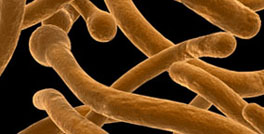
Candida albicans is a ubiquitous fungus commonly found in the mucus membranes of the digestive tract, mouth, and genital region. Normally Candida plays a commensal role in the flora of the digestive tract where it is balanced by beneficial bacteria. However, if this delicate balance is upset in anyway, e.g., the use of antibiotics or a compromised immune system, Candida can thrive and overwhelm the system. If the Candida is not brought back into balance in the GI tract it can penetrate the mucosal wall and enter the bloodstream where it can wreak havoc on any number of vital organs and anatomical structures, including the heart, brain kidneys, prostate and liver. Candida albicans is also one of the principle agents responsible for decomposition of the body after death.
A delicate balance
In its normal yeast state Candida albicans takes on a harmless oval shape. While in this form it serves a very beneficial role in the digestive tract aiding in the decomposition of food. To help keep Candida in balance the intestinal flora also contains acidophilus and bifidophilus bacteria that secrete substances that inhibit the overgrowth of Candida. Before the 1940s Candida infections were a rare occurrence. Suddenly, however, with the advent and widespread use of antibiotics in the early 1950s there appeared a tidal wave of women's yeast infections. “Well, first, obviously, the introduction of antibiotics paralleled the rise in yeast infections. In fact initially a prescription for antibiotics directly preceded almost all yeast infections. Yeast infections followed a course of antibiotics by a few weeks,” cautions Dr. Jerry Glenn Knox BA, DC.
Today the epidemic continues as more and more cases of invasive candidiasis and candidemia plague hospitals. According to the CDC (Center for Disease Control and Prevention), “Hospital-associated infections such as candidemia are a leading cause of bloodstream infections in the United States. Advancements and changes in healthcare practices can provide opportunities for new and drug-resistant fungi to emerge in hospital settings.”
Antibotics and Candida
Broad spectrum antibiotics such as Amoxicillin, Ampicillin or Levofloxacin can have diarrhea as a possible side effect. The reason for this is simple; in addition to killing off the unwanted microorganism attacking your body, antibiotics also target the beneficial bacteria in your gut which can result in a bout of diarrhea. The diarrhea is an indication that your intestinal flora is out of balance and unable to process food properly. Usually the diarrhea generally abates after completing the course of antibiotics. However, this can become problematic in cases where antibiotics are prescribed for an extended period of time—three weeks or more.
This was the case with a 57-year-old gentleman in 2004. After undergoing an ultrasound-guided transrectal biopsy of his prostate to investigate an elevated PSA, he was placed on fluoroquinolone (an antibiotic) to minimize risk of infection following the procedure. His biopsy tested negative for malignant cells. One week following the procedure he developed urinary retention and was catheterized and placed on Tamsulosin with positive results. About three months later while on a business trip he experienced painful urination and was prescribed antibiotics. Unfortunately, the symptoms continued so he reported back to his urologist. A urinalysis was performed but cultures were negative. He was instructed to continue his antibiotics. After one week he again experience urinary retention and underwent catheterization. Additonally, his Tamsulosin was increased and antibiotic regimen continued. A second urine culture, without urinalysis, was taken three days later and returned negative findings. Though the symptoms never completely resolved, the patient never experienced systemic indicators like fevers or chills.
After one month of antibiotics, his dysuria progressed to perineal discomfort and burning upon urination. Further examination by the urologist revealed a slightly boggy prostate along with mild tenderness. Results from urine, prostate secretion and ejaculate cultures at this time all grew Candida albicans. Based on these new findings, the patient was diagnosed with Candida prostatitis and was started on an antifungal medication (Fluconazole) daily for 6 weeks. The patient saw resolution of symptoms after the first week of therapy. He remained symptom-free over a year later, and follow-up urinalysis following treatment has returned to normal.
Hard to find
Doctors routinely prescribe antibiotics to treat infectious disease. There are a variety of antibiotics on the market designed to treat specific types of infectious microorganisms and they are best prescribed when the specific infection-causing pathogen can be identified. Unfortunately the lab work necessary to properly indentify a specific causative pathogen before prescribing an appropriate antibiotic treatment is time consuming; yeast cultures may take up to 30 days to yield results. Since immediate palliative patient care is a doctor’s primary role, broad spectrum antibiotics are routinely administered to treat infectious disease. Unfortunately, these treatments also target the “friendly bacteria” in the gut which creates a favorable environment in which Candida can thrive. Left unchecked, Candida can penetrate the intestinal mucosa and enter the bloodstream and wreck havoc on the body, especially immunocompromised individuals with HIV.
Battling Candida overgrowth
The key to waging any successful military campaign is knowing your enemy’s strengths, weaknesses, allies and enemies. This same principle applies to battling Candida overgrowth. In our next article we will examine each of these four factors to help equip you to wage a successful four-prong campaign against Candida overgrowth.
The mission
There is a literal tsunami of information about Candida albicans on the internet and it is easy to find yourself buried under it. The goal here was to provide a fundamental understanding about Candida albicans which will be supplemented by future articles. My mission is to distill and decipher the latest news and information about the treatment of Candida-related ailments into a readily digestible format that is easy to process and utilize for your own well being.
This information is not intended as professional medical advice or is it an alternative to a doctor’s care. Caution should be exercised in using any self-help remedies to treat Candida overgrowth without a thorough understanding of the benefits and potential side effects. In either case, seek prompt medical care if you note any usual changes in your health and bodily functions.
________________________________________________________________
Wednesday, 1 May 2013
Candida infection + damage to the body
Candida infection
A healthy person has natural protection against Candida overgrowth. The two main parts of that protection are bacterial flora and a type of white blood cells called neutrophils.
Candida has become a very common and often serious disease in our
modern world, due both to modern practices that suppress these immune
functions and to a fermenting diet.
Bacterial flora are the bacteria that
naturally populate all the non-sterile areas of your body, starting at
birth. These include the mouth, nose, ears, throat, esophagus, large
airways, most of the intestines, the skin, and the genital areas.
Certain bacterial types take up residence in different body areas and
live in perfect harmony with your body. Some actually help your body
with specific functions, like making vitamin K to help blood clot
properly. Bacterial flora is absolutely essential in preventing
undesirable microbes — like disease-causing bacteria, fungi and viruses —
from infecting you.
The other main protection is neutrophils.
These are inflammatory cells that perform surveillance throughout your
body and attack invading microbes. They automatically attack invading
fungal spores (such as those you routinely inhale just by walking
through an area with open dirt) and prevent the spores from getting hold
and causing infection. Neutrophils are what prevent people of normal
health from getting thrush, an oral yeast infection.
Candida overgrowth and invasion occur when
bacterial flora are killed, or when the immune system is suppressed and
neutrophils are not as active or abundant. The expansion of Candida is
also fostered by eating fermented or aged products and certain sugars,
particularly maltose (malt, barley malt, malted barley or maltodextrin).
The usual progression of events appears to be the following:
1. Candida overgrowth begins in the body due to exposure to antibiotics, chlorine, alcohol, or other things that either kill normal bacterial flora, suppress normal immunity or provide too much fungal nourishment (see the list of exposures).
2. Candida invasion of organs begins,
with the liver being one of the most affected organs. This is due to
the fact that the liver receives a large blood supply directly from the
intestines, where Candida overgrowth usually gets its start.
3. Liver changes, cravings and appetite.
Appetite (meaning which foods happen to appeal to an individual) is
primarily a liver function. As Candida takes up residence in the liver,
it chemically influences the appetite, and one usually begins to prefer
or even crave those foods that feed Candida — fermented or aged items
and certain sugars. The most common form is the craving for foods in the
group of chocolate, bread, alcohol (beer, wine or vodka most commonly),
aged cheeses (cheddar, Swiss, Parmesan, etc.) or milk itself, nuts or
peanuts, and fruit like apples, grapes or bananas. Less common — but
seen in the more seriously affected — is the phenomenon of craving
vinegar (includes ketchup and salad dressings) and pickles. In children
ages 3-8, the very typical cravings are for milk, cheese, yogurt,
macaroni and cheese, or peanut butter.
4. Fermenting diet and further invasion.
The consumption of Candida-supporting foods in a steady and increasing
fashion (a symptom which develops in most Candida patients) gradually
but surely allows the Candida to grow more abundantly and entrench
itself more deeply in the tissues of the body. Even if one stops eating
these foods, established Candida will persist in the body until it's
effectively treated.
5. Candida symptoms.
Whether through chemicals it produces, its nutritional requirements or
through its direct physical presence around cells, overgrown Candida
influences a variety of body systems (primarily the digestive, nervous
and immune systems), producing a multitude of unpleasant and often
serious symptoms.
Unfortunately, there are several common
conditions and substances in our modern world that either kill flora,
suppress immunity or directly feed yeast, allowing this unwanted
overgrowth of Candida. Equally unfortunate is the fact that because
fungi grow slowly and therefore bring on their symptoms very gradually,
Candida is not understood by many doctors and patients to be a common
cause of real disease.
In fact, it is quite typical for patients
to not develop serious symptoms until ten, twenty or thirty years after
their yeast-promoting exposures.
As an example, in clinical experience a
typical patient might develop frequent headaches, depression, fatigue,
sleep problems and poor memory around age 35, while the actual main
culprits are frequent courses of antibiotics the patient received for
ear infections as a young child, chlorine exposure from swimming at the
YMCA as an older child, and later being on the high school swim team.
Both antibiotics and chlorine kill off normal bacterial flora, gradually
allowing Candida to multiply and become established beyond its normal,
limited environment.
|
|
|||||
|---|---|---|---|---|---|---|


Tuesday, 30 April 2013
does candida cause heart damage
Fungal Infections (Candida)
Fungal infections
are estimated to occur in over a billion people each year, and recent
evidence suggests the rate is increasing (Hsu 2011; Di Santo 2010; Brown
2012; Fungal Research Trust 2011). Fungi can infect almost any part of
the body including skin, nails, respiratory tract, urogenital tract,
alimentary tract, or can be systemic (Long 2009; Baron 1996). Anyone can
acquire a fungal infection, but the elderly, critically ill, and
individuals with weakened immunity, due to diseases such as HIV/AIDS or
use of immunosuppressive medications, have a higher risk (Hsu 2011;
Baddley 2011).
Although several species of fungi are potentially pathogenic in humans, candida (esp. Candida albicans) is the organism responsible for most fungal infections. Candida, which is normally present within the human body, is usually harmless. However, it can cause symptoms when a weakened immune system or other factors allow it to grow unabated (Merck Manual 2008; Cheng 2012; Douglas 2011).
Increased use of antibiotics and immunosuppressive drugs such as corticosteroids are major factors contributing to higher frequency of fungal infections. Antibiotics and immunosuppressive drugs, by disrupting normal bacterial colonization and suppressing the immune system, create an environment within the body in which fungi can thrive (Hsu 2011; Tani 2012).
Fungal infections can range in severity from superficial to life-threatening. For example, fungal infections affecting only the top layers of the skin are readily treatable and have a relatively limited impact on quality of life. However, if a fungal infection enters systemic circulation, consequences can be deadly (Badiee 2011; Zuber 2001).
Many integrative medical practitioners believe that chronic, low-level candida infestation can cause a variety of non-specific symptoms that may resemble chronic fatigue syndrome, depression, anxiety, or fibromyalgia. This phenomenon is sometimes referred to as “candida-related complex”. Conventional medical practitioners do not recognize candida-related complex as a disease. However, many innovative healthcare practitioners report improvements in patient quality of life upon treatment (Gaby 2011).
Upon reading this protocol, you will have a better understanding of the various ways that fungi can infect a human host, and how conventional medicine treats these infections. In addition, you will discover several natural compounds that have anti-fungal activity and may complement conventional treatments for fungal infections.
Although several species of fungi are potentially pathogenic in humans, candida (esp. Candida albicans) is the organism responsible for most fungal infections. Candida, which is normally present within the human body, is usually harmless. However, it can cause symptoms when a weakened immune system or other factors allow it to grow unabated (Merck Manual 2008; Cheng 2012; Douglas 2011).
Increased use of antibiotics and immunosuppressive drugs such as corticosteroids are major factors contributing to higher frequency of fungal infections. Antibiotics and immunosuppressive drugs, by disrupting normal bacterial colonization and suppressing the immune system, create an environment within the body in which fungi can thrive (Hsu 2011; Tani 2012).
Fungal infections can range in severity from superficial to life-threatening. For example, fungal infections affecting only the top layers of the skin are readily treatable and have a relatively limited impact on quality of life. However, if a fungal infection enters systemic circulation, consequences can be deadly (Badiee 2011; Zuber 2001).
Many integrative medical practitioners believe that chronic, low-level candida infestation can cause a variety of non-specific symptoms that may resemble chronic fatigue syndrome, depression, anxiety, or fibromyalgia. This phenomenon is sometimes referred to as “candida-related complex”. Conventional medical practitioners do not recognize candida-related complex as a disease. However, many innovative healthcare practitioners report improvements in patient quality of life upon treatment (Gaby 2011).
Upon reading this protocol, you will have a better understanding of the various ways that fungi can infect a human host, and how conventional medicine treats these infections. In addition, you will discover several natural compounds that have anti-fungal activity and may complement conventional treatments for fungal infections.

Are all today societies problems in the West down to Candida infection
Fatty liver disease
Fatty liver, or NASH (non-alcoholic hepatic steatosis) is a condition characterized by the accumulation of excess fat (triglycerides) in the liver not caused by alcohol abuse but associated with obesity and the metabolic syndrome. It is a very prevalent condition in the U.S. rivaling in incidence with alcoholic liver disease and viral hepatitis. NASH is truly a lifestyle disease, reflecting affluence and overindulgence.
While usually just causing alarming elevations in routine liver function tests that necessitate imaging studies and liver biopsies, NASH can result in cirrhosis with liver failure and the need for transplantation. No conventional treatment that is not based on diet modification and lifestyle modification exists for NASH.
The liver is the largest gland in the body weighing approximately 3.5 pounds when healthy. It is an organ of primary importance and the only one capable of regenerating itself. Only 10 to 20 percent of a functioning liver is required to sustain life, however, removal of the liver will result in death within 24 hours.
While the liver performs more than 500 tasks, its main functions include metabolism of protein, fat and carbohydrates; storage and activation of micronutrients (vitamins and minerals); metabolism of steroids; formation and excretion of bile necessary for the emulsification and digestion of dietary fats; conversion of ammonia to urea; and action as a filter and flood chamber removing bacteria and debris from the blood. It is responsible for the detoxification of substances including drugs and alcohol.
The liver is the location of the production of "new" glucose (gluconeogenesis), cholesterol and triglycerides among other substrates. When the liver becomes fatty and enlarged, metabolism of these important substrates becomes altered. This explains the impaired glucose and cholesterol metabolism along with very high triglycerides that often coexist with alcoholism or obesity and diabetes. Morever, individuals with diabetes progress to heart disease 70 percent faster than those without diabetes.
We know for some time now that obesity and diabetes are epidemics in this country---and rapidly becoming so around the world. Heart disease is a well-known consequence of these co-morbidities but fatty liver disease remains underestimated and underappreciated. Simply put, our livers put up with a lot. The SAD diet (Standard American Diet) which includes unhealthy trans fats derived from cheap vegetable oils and refined, grain-based carbohydrates are the top suspects, coupled with alcohol, in ruining the health of millions of American's livers.
A diseased liver can more than double from its original size. An extreme example of this is pate de foie gras. Ducks and geese raised for this delicacy are force-fed to the point that their livers become diseased and swollen up to ten times their natural size! The forced consumption of high-energy food such as corn and white bread damages their poor livers and often kills them. Translation: The high energy (high calorie and carbohydrate) food as delivered by the SAD diet along with the consistent eating behavior of overindulgence equals disease for the liver. Let's not forget Morgan Spurlock's documentary, "Super Size Me," where his 30-day McDonald's diet resulted in weight gain, increased cholesterol and triglyceride levels, abnormal liver function, and fatty liver disease---in only 30 days!
From a dietary standpoint, it is critical to avoid hydrogenated or partially hydrogenated oils (trans fats), vegetable oils such as corn, sunflower and safflower oil, processed foods, processed meats, soft drinks, added sugars, even excess fruits and fruit juices and acetaminophen (Tylenol). Implementing a whole, unprocessed foods diet (like the Salad and Salmon Diet) that is lower in its Glycemic Index will go a long way to restoring liver health. Important supplements for liver support and regeneration are Alpha-Lipoic Acid, NAC, NT Factor, Selenium, Zinc, Vitamin C (sometimes administered intravenously for greater impact) Trimethylglycine (Betaine), Phosphatidyl Choline, SAM-e, Curcumin and Milk Thistle. An ultra-potent of green tea, EGCG, has recently demonstrated impressive protective effects against NASH.
Bottom line, with early recognition and appropriate nutritional and complementary treatment, NASH can be reversed and liver function normalized before permanent damage ensues.
REFERENCES:
Mahan LK, Escott-Stump S. Krause's Food, Nutrition, & Diet Therapy, 11th edition. Philadelphia, PA: Saunders; 2004.
The Humane Society of the United States (on-line). Foie Gras. Accessed July 11, 2006. Available at: http://www.hsus.org/farm/camp/ffa/foie_gras.html.
Leyla Muedin is a clinical nutritionist and lecturer at the Hoffman Center and is available for speaking engagements for private and public sector wellness programs. Please call (212) 779-1744 for more information.
Subscribe to:
Posts (Atom)