Candidiasis, Alcohol, Sugar Cravings
Symptoms, Causes, Treatment Recovery & More
Candidiasis
Conquering Candidiasis Naturally
Stephen C. Byrnes, N.D., R.N.C.P.
The Nightmare of Candida Overgrowth
Candida albicans and candida tropicalis are the names given to common yeasts that live within our intestines and certain mucous membranes, the throat, for example. Everyone has candida within them: we are born with it.
Candida usually lives at peace with our other intestinal fauna, the acidophilus and bifido bacteria, and it is these bacterial residents that keep candida under control, preventing a "population burst." Candida's function in the body is mainly to gobble up any putrefied food matter in our digestive system (mostly caused by improper digestion due to low stomach acid) before any potentially harmful bacteria can have a feast, multiply, and become threatening to our health. After we die, candida acts to decompose the body, feeding off our corpse, much like a fungal mold on a dead tree.
Candida is usually kept in check by the gastrointestinal "good" bacteria and the immune system, but trouble can arise when certain conditions are present. It is in the presence of these conditions that candida can begin growing out of control in the intestines, branching out and colonizing the gut. In this process, candida can eat away at the intestinal walls, spread into the bloodstream, and infiltrate other tissues. The normally benign yeast has literally transformed itself into an aggressive, destructive, fungal pathogen that can cause a variety of seemingly unrelated health problems. This condition/disease is known as systemic candidiasis.
Symptoms and Causes
Systemic candidiasis, as a separate disease, was not recognized or defined until the 1980's, mostly because its symptoms were so varied and duplicated those of other illnesses, leading doctors to conclude that the patient was suffering from, for example, sinusitis instead of yeast infiltration of the nasal passages. Additionally, since one of the main causes of systemic candidiasis are doctor prescribed antibiotics, which kill the intestinal bacteria that control candida, the medical profession was probably not too eager to admit the existence of this disease. Diagnoses of candidiasis were limited to its visible manifestations, e.g., a vaginal or oral yeast infection. Treatment was directed towards eradicating these conditions alone without addressing the reality of a more serious, but hidden, infection.
The symptoms of candidiasis, and their severity, vary from person to person but the main ones are: chronic fatigue, especially after eating, depression, craving for breads and sugars (yeast eats sugar), extreme mood swings, feelings of rage, especially after eating sugary foods, feeling "drunk" after eating a meal high in carbohydrates (candida's waste is alcohol), hypoglycemia, excessive mucous of the throat, nose, and lungs, chronic fungal infections of the skin (jock itch, athlete's foot) or vaginal/oral thrush, diarrhea, anal itching, short-term memory loss, feeling "spacy," and bloating or gassiness after eating.
In addition to these, lymphatic swelling, difficult PMS, night sweats, chest and joint pain, memory loss, incoordination, blurred vision, intense, random headaches, intermittent vertigo, insomnia, sneezing fits, and increased food allergies are also fairly common. A person tends to get extremely sensitive to damp, mildewy environments and, sometimes, to extreme humidity as well as perfumes, colognes, and smoke. Since candida can infiltrate the urinary tract, acute kidney infections, cystitis, and prostatitis are possible.
While these symptoms can indicate other illnesses, if certain factors are present in one's personal history the symptoms are likely to indicate candida overgrowth. These factors are:
- Prolonged, or repeated, use of antibiotics, corticosteroid drugs, and/or birth control pills, at any time in the past
- A diet high in processed sugars which encourages candida growth, and
- Preexisting immunosuppression caused by drug or alcohol abuse, multiple blood transfusions, debilitating illness, organ transplants, or chemotherapy. All three are NOT required to bring on a case of candidiasis: excessive "sugar binging" can cause it just as surely as antibiotics can. Pregnancy also predisposes women to the condition since pregnancy alters the body's delicate hormonal and pH balance: candida thrives in an alkaline environment.
Contributing factors are
- Low stomach acidity leading to poorly digested food and
- Improper bowel movements leading to prolonged retention of fecal matter in the colon: these conditions promote yeast overgrowth.
A 20th Century Disease
Candidiasis is truly a modern disease, brought on by medical "innovations" like antibiotics and the Pill and a more "civilized" diet of refined, sugary foods and candy. In some naturopathic circles, the illness is derisively known as "Candy Disease."
In all seriousness, however, candidiasis is a serious condition for two main reasons:
- It often goes undiagnosed, allowing the yeast to spread unhampered, and
- The numerous symptoms it produces severely tax the immune system, forcing it to deal with, not only the yeast infection, but the other conditions the yeast causes. A truly vicious cycle can ensue: a person is weakened by a candida caused problem, say cystitis, and goes to a doctor who then prescribes antibiotics for it. The drugs kill off more of the intestinal bacteria which control candida, making the candida overgrowth worse, leading to more infections and more antibiotics, etc. At its most destructive, candida can exhaust the adrenal glands, leading to Addison's disease, can interfere with digestion so much that virtually no nutrients are absorbed from food, and can cause life threatening infestations of the vital organs and the brain.
Treatments & Recovery
Natural therapies are the most potent and effective weapons against this disease and recovery time lasts about 6 to 12 months (or longer depending on the length of time one has had the condition and the severity of symptoms). This might seem long, but once candida has colonized the body, it takes quite an effort to drive it out. Let's now take a look at the natural therapies most effective against this adaptable and extremely tenacious invader.
Digestion
The key to conquering candida is in cleaning up the digestive system, the ultimate source of the problem. In general, one must avoid constipation at all costs so high water (4-5 glasses a day) and adequate fiber intake is recommended. Drinking lots of water will also help flush the dead yeast cells out of your system as you progress with your treatment. If diarrhea is a problem, psyllium or yellow dock herb, both available in capsule form, will tighten the colon. These two herbs are also effective for constipation — they are bowel regulators. Yellow dock is also known as a blood builder, effective for anemia and low white blood cell counts. If you decide to take yellow dock, be sure to take it separately from any herb containing tannic acid to avoid stomach upset.
Supplementation with acidophilus and bifido bacteria is essential to recolonize the intestines. While these bacteria will not kill candida, they inhibit candida's growth and, generally, clean up the bowels, making it more difficult for candida to thrive. Look for a high potency supplement, either freeze dried or refrigerated, made without cow's milk. You will need to supplement heavily with these "probiotics" throughout your recovery and well after all your symptoms have gone. Chlorophyll-rich foods, like leafy green vegetables and alfalfa, also promote acidophilus growth and discourage yeast reproduction.
Proper food digestion is an absolute MUST as nothing makes candida happier than putrefied, poorly digested food. Unless you have an ulcer, consider taking a digestive enzyme supplement with hydrochloric acid (HCL) immediately before or after each meal. If you have an ulcer, look for digestive enzyme supplements without HCL. Plant enzyme supplements are excellent. Both pancreatin and plant enzymes can be taken between meals to hinder yeast growth. Using digestive enzymes will help your condition dramatically and also take some stress off your pancreas which might be weary from dealing with possible candida-caused hypoglycemia. (If you notice any stomach irritation when using HCL supplements, cut back on the dose at once to prevent possible ulcer formation.)
If enzyme supplements are not available, a cup of German chamomile tea just before or after eating will stimulate HCL production by the stomach. Chamomile will also ease any gassiness and/or bloating and contains potent anti-candida compounds. If you have a history of ragweed allergy do not use chamomile; fennel or cardamon are fine substitutes. Another herb to consider for digestion is wormwood. Wormwood, while extremely bitter, is probably the best digestive herb around, stimulating HCL and bile production. SIde benefits of wormwood are ridding you of any parasites, gas, nervousness, and weak stomach. Wormwood extract or tincture can be found at any health food store; take the recommended dose just before eating in a little water. CAUTION: Wormwood should not be used by pregnant women.
Since the liver can get overburdened with candida's toxins because it filters the blood, cleansing this organ is essential for your recovery. Daily supplementation with hepatic herbs like, dandelion root, golden seal, wormwood, barberry, Oregon grape root, or bayberry, is highly recommended. Again, the need for increased water intake is emphasized here to facilitate internal cleansing. CAUTION: Avoid goldenseal and barberry if you are pregnant.
Dietary Do's and Dont's
Since candida loves sugar, it must be avoided in all its forms (dextrose, sucrose, glucose, maltose, lactose, fructose). Say goodbye to all fruits, except the low sugar ones like strawberries, cherries, and papayas which can be eaten in strict moderation. Read the label of every food product you buy to be sure there is no added sugar (a near impossible task these days!).
Diet is your main weapon against candida, but also the most frustrating as you will have to give up a number of foods. Bid farewell to: wheat, rye, milk, cheese, alcoholic or caffeinated beverages, potatoes, honey, mushrooms, and vinegar: all these foods promote yeast growth or can aggravate already present yeast colonies. Keep your food well covered in the refrigerator to prevent mold formation. When eating out, be sure to ask how a dish is prepared and tell the server to hold any undesirable ingredients like soy sauce or mayonnaise.
In general, a low carbohydrate diet is preferred. Carbohydrates, even complex ones, eventually break down to glucose (sugar) in the digestive tract, and sugar feeds candida. Its also adviseable to avoid the starchier vegetables like sweet potatoes, parsnips, and winter squashes. Different people, however, have different sensitivities. I've worked with patients who can handle wheat, despite a candida problem. You and your body are your best guide as to which foods to avoid. At rock bottom, however, all sugars MUST be avoided.
Due to the restrictions, you may be wondering at times, "What the hell am I supposed to eat?!" Books will be listed at the end of the article to help with food selections and recipes.
On the positive side, assuming you have no allergic reactions, you can enjoy all of the following: fish, poultry, meat, all vegetables, brown rice*, eggs, seeds, all nuts except cashews and peanuts, herb teas, beans* and lentils*, goat milk*, corn*, amaranth*, kamut*, quinoa*, buckwheat*, oats*, and spelt*. Check with a local health food store for sugar free breads made of kamut, millet, or spelt and consider eating corn tortillas to replace wheat bread. (*: moderate amounts only.) To ease their digestion, all nuts, seeds, and whole grains should be soaked for at least seven hours before cooking or drying. Soaking initiates the sprouting process and breaks up the enzyme inhibitors and phytates found in these foods.
Contrary to popular belief, foods containing yeast may be eaten if no allergic reactions are present. Brewer's yeast, for example, is a very nutritious and immune enhancing food and can be eaten for nutritional support during one's recovery.
As your symptoms disappear, you can cautiously add back the forbidden foods, one at a time and slowly. Do not eat any refined sugars for at least 6 months after your recovery. Having candidiasis once predisposes one to getting it again so be very careful after you are well. Indulging in too many foods too quickly can, as I can painfully attest to, cause a relapse.
Herbs & Supplements
The following herbs should assist in recovery: Garlic- a powerful antifungal and immune stimulant. Garlic will also help with constipation, gas, excess mucous, and blood cleansing; it is antiparasitic and hypotensive also. Some people are sensitive to garlic so increase your dosage slowly to discern any unpleasant side effects. If there are none, include it liberally in your diet, everyday. If you prefer to take garlic tablets, look for ones that are enteric coated to insure that the garlic is released deep inside the intestines where candida thrives.
Golden Seal, Barberry, Oregon Grape Root- the berberine in these herbs is lethal to candida. Berberine is also a powerful immune stimulant. Don't overuse golden seal as too much will irritate the liver: take for 2 weeks on, one week off. All of these herbs can also be used to assist digestion. Golden seal can be topically applied to ringworm, and made into a tea for athlete's foot. These three herbs are excellent for urinary tract problems, being diuretic, antibacterial, and antifungal. Like wormwood, golden seal and barberry should not be used by pregnant women.
Licorice root- Though not antifungal, licorice will soothe the inflamed intestines so common with candida, thus helping to prevent malabsorption of nutrients and food allergies. Licorice also tones the adrenal glands and helps regulate blood glucose, controlling sugar cravings. This herb is also excellent for excessive mucous, cough, and constipation.
Astragalus- This popular Chinese herb is excellent for stimulating the immune system, essential for recovering from candida or any other infective condition. Aloe Vera- a must if sufferring from fungal skin infections. The fresh gel is effective against ringworm, jock itch, and athlete's foot and will also help heal cracked, damaged skin. Use bottled gel if the fresh herb is not available.
Other useful herbs are clove, ginseng (all varieties), ginger, pau d'arco, and cinnamon. For proper doses, check the labels, but higher doses may be taken without fear of toxicity except as noted above.
Tea tree oil, from Australia and New Zealand, is very deadly to candida and may be used topically for athlete's foot, jock itch, and ringworm. It can also be used as a gargle or douche when mixed with water and can be safely taken internally (3-4 drops, 3 times a day, do not exceed this dose). Be absolutely certain the brand you buy does NOT say "For external use only" on its label.
Caprylic acid, a short chain fatty acid, is extremely effective against candida and is, fortunately, available over the counter at health food stores. Look for a slow release formula of about 300-500 mg. and arrange for a dose of 500 to 1000 mg. with each meal.
Colloidal silver, and the newer olive leaf extract, are excellent antifungal agents and lethal to candida. Though expensive, my clients have had excellent results with these products. Look for a silver supplement of at least 40 ppm with a micron size of no more than .001. Follow the instructions on the labels for the correct doasages.
Oxygen is an antifungal compound. Taking stabilized oxygen products, like flavored peroxide combinations found in health food stores, can also be employed in one's recovery.
The latest in candida treatment are enteric coated essential oils. Oregano, peppermint, and rosemary oils are all extremely powerful against candida and some supplement companies already have formulas using these oils on the market. Oregano oil is estimated at being 100 times more powerful than caprylic acid. Be prepared for some explosive diarrhea when using this product. As the yeast cells die, the body makes every effort to expel them.
Vitamin/mineral supplementation is a good idea to not only insure that adequate nutrients are ingested, but also to help the immune system fight the infection. The following are suggested daily guidelines. For individual needs, its best to see a health practitioner who is familiar with approaching candidiasis: Vitamin A (as retinol and beta carotene)- 75,000 iu; vitamin C- 3 to 5 gms.; selenium- 200 mcg.; zinc- 50 mg.; vitamin E- 400 iu; iron- 10 mg.; essential fatty acids- 4 gms; high potency multi vitamin/mineral- 1 a day.
One particularly useful nutrient is the free-form amino acid glutamine. Glutamine is very pivotal in maintaining proper muscle mass, brain function, intestinal integrity, and stable blood sugar levels. It is often prescribed to recovering alcoholics by natural therapists to control alcohol cravings. 1-3 grams before each meal is suggested. Glutamine is excellent for helping to heal leaky gut syndrome, a very common symptom of intestinal candidiasis. Also, since weight loss is usual with severe candida infestations, this amino acid helps protect against muscle loss. Glutamine is also very stimulating to the immune system. Do everything you can, then, to acquire it and be diligent about taking it.
There are homeopathic preparations of Candida albicans on the market. From personal and professional experience, you have to be very careful with these products as they can cause a severe Herxheimer Reaction, or temporary worsening of your symptoms due to the rapid die off of yeast cells in the body. The best way to use homeopathics is to start with a weaker preparation of about 12X potency, and gradually work your way up to more powerful doses — 30C and above. A slow build up avoids the unpleasant hassle of aggravated die off.
You will sometimes feel like a walking medicine chest from all of the supplements, herbs, probiotics, and antifungal products you'll be taking. Inconvenience aside, it is necessary as candida is a very tenacious organism. You must be persistent and unwavering in your efforts to recover or you will get nowhere; the total approach is necessary.
Candidiasis and Alcohol in the Body
Information listed below taken from
http://www.liferesearchuniversal.com/candidiasis2.html. Not sure how credible this information is regarding sugar turning into alcohol in the body, but much of the other information is in agreement to what other resources have to say about Candidiasis.
Candidiasis According to Dr Susser, sugar in the diet can greatly contribute to candida overgrowth. When sugar is eaten, intestinal fermentation creates a toxin called Acetaldehyde which affects all of the body's physiological functions, including digestion and hormonal processes. Yeast thrives on sugar in order to grow, therefore, a high-sugar diet is one of the predisposing factors for candidiasis.
Candidiasis and Alcohol Candidiasis patients should also stay away from all alcohol since it is composed of fermented and refined sugar. It is also more toxic than sugar and feeds yeast. According to Dr Susser, alcohol suppresses the immune system, disturbs the whole adrenal axis, and you can say empirically that it makes anyone with candida worse.
Some candidiasis sufferers will feel, and appear to be, intoxicated. An unusual symptom of certain people with severe candidiasis is the presence of alcohol in the blood stream even when none has been consumed. First discovered in Japan, and called "drunk disease," this condition creates strains of candida albicans which turn acetaldehyde (which is the chemical created by sugar and yeast fermentation) into ethanol. This is a process well understood by distillers of homemade brew. These candidiasis patients whose yeast turns sugar into alcohol are chronically drunk. They have developed what is only half-jokingly called "auto-brewery syndrome".
A medical test has been developed in which, after an overnight fast, the individual is given 100 grams of pure sugar. Blood samples taken both before the sugar loading, and an hour after, are measured for alcohol. An increase of alcohol indicates yeast "auto-brewery" intoxication. Another connection between alcohol and candidiasis has been found in a study of 213 alcoholics at a recovery center in Minneapolis. Test and questionnaire results indicated that candidiasis is a common complication of alcoholism due to the combination of high sugar content in alcohol and the inability of alcoholics to assimilate nutrients. Additionally, female alcoholics with candidiasis were significantly sicker than non alcoholic women with candidiasis.
Many of the symptoms exhibited in alcoholism such as insomnia, depression, loss of libido, headaches, sinusitis/post-nasal drip, digestion and intestinal complaints, overlap with those in candida overgrowth. Obviously, drinking alcohol increases levels of sugar in the system.
How to Overcome Candidiasis
Diet:
In order to overcome candidiasis, sugar must be avoided in all it's various forms. These include : sucrose, dextrose, fructose, fruit juices, honey, maple syrup, molasses, milk products (which contains lactose), most fruit (except berries), and potatoes (whose starch converts into sugar). Dr Black says, " In treating candida, my basic dietary taboos are sweets, alcohol, and refined carbohydrates." Many candidiasis sufferers also have allergies and sensitivity to various foods. Although candida albicans yeast is not synonymous to yeast in foods, such as bread, a cross-reaction between the food yeast and candida frequently occurs. As a result, foods containing or promoting yeast, such as baked goods, alcohol, and vinegar, should be avoided until possible sensitivities are clearly diagnosed.
Nutritional Supplements:
According to Dr Chaitow, a general nutritional support program is frequently needed to help build up immune function and digestive efficiency, which may have become severely depleted or compromised after months or years of chronic candidiasis. Specific nutritional supplementation can be helpful in rebuilding weakened immune function. Recommended supplements include individual B Vitamins which increase antibody response and are used in nearly every body activity, Vitamin C which stimulates adrenaline and is essential to immune processes, Vitamin E the lack of which depresses immune response, Vitamin A which builds resistance to infection and increases immune response, and beta-carotene a Vitamin A precursor which increases T-cells.
Antioxidant immune boosters, such as selenium, calcium, and zinc, are also very useful in combating candidiasis. Other adrenal stimulants are chromium, magnesium, and glandular adrenal (an extract). Essential fatty acids such as evening primrose oil may be considered as well. As routine supplementation, Dr Braly offers the following regiment : Vitamin C - 8-10 grams daily, Vitamin E - one 400 IU daily, Evening Primrose oil - 6-8 capsules daily, Max EPA - 6 capsules daily, Pantothenic Acid - 250 mg daily, Taurine - 500-1000 mg daily, Zinc Shelate - 25-50 mg daily, Goldenseal Root extract with no less than 5% hydrastine - 250 mg twice daily, lacto-bacillus acidophilus - 1 dried teaspoon three times daily, if allergic to milk use non-lactose acidophilus. Dr Braly also recommends supplementation of hydrochloric acid "HCI". He notes that aging, alcohol abuse, food allergies, and nutrient deficiencies create a lack of HCI in the stomach which prevents food from digesting and permits candida overgrowth. Such supplementation, he says, helps restore the proper balance of intestinal flora. Dr Braly recommends one capsule of HCI and pepsin at the start of meals, increasing cautiously to 2 to 4 capsules with each meal if needed.
________________________________
"Immaculate Intoxication"
by Lawrence Taylor
Information listed below taken from
http://www.duiblog.com/discuss/msgReader$40. Not sure how credible this information is since it is written by a DUI attorney citing medical reports, but it repeats some of the info in the previous article.
Can alcohol be created by the human body itself -- without any drinking? Apparently so.
In an interesting scientific article, two physicians at Union Memorial Hospital in Baltimore reported that they detected the odor of beer in three of their patients. This was in an isolated hospital setting; there was no access to alcoholic beverages. The doctors had urine samples taken and analyzed by gas chromatography. Result? All three showed the presence of alcohol in their systems. Two of these were then tested for actual blood-alcohol concentration (BAC). One showed a BAC of .043%. The other was .121% -- or 1 1/2 times the legal limit for DUI!
"The presence of alcohol in human specimens containing glucose and yeast should come as no surprise," the two physicians wrote. "Several have made this observation. Under normal circumstances trace amounts of alcohol may be found in the blood; the alcohol is then channeled into an energy pathway by hepatic alcohol dehydrogenase...
"The Japanese report the "auto brewery syndrome" in which they have seen middle aged patients with bowel abnormalities, most often after surgery, who have yeast overgrowth, usually candida, in the G.I. tract and who ferment ingested carbohydrates, producing enough alcohol to result in drunkeness." Mullholland and Townsend, "Bladder Beer - A New Clinical Observation", 95 Transactions of the American Clinical Climatological Association 34 (1983).
In other words, the body is manufacturing alcohol by itself -- in some cases, enough to become legally intoxicated.
This has been confirmed by other studies. Swedish researchers, for example, have found that:
"Increasing evidence has emerged to show that endogenous ethanol does exist, the the concentrations seen have large inter-individual variations. Our results show a markedly skewed distribution of values...The reason for the wide inter-individuaal variation in healthy abstaining individuals is hard to explain." Jones et al., "Determination of Endogenous Ethanol in Blood and Breath By Gas Chromatography, 18 Pharmacology, Biochemistry and Behavior 267 (1983).
__________________________________
Gut Fermentation (or the "Auto-brewery") Syndrome: A New Clinical Test with Initial Observations and Discussion of Clinical and Biochemical ImplicationsHunnisett A, Howard J, Davies S
J. Nutr. Med. 1990;1:33-38
SummaryThis study demonstrates that alcohol production from oral carbohydrate ingestion is not a rarity but is remarkably common (61%) amongst patients who are chronically unwell. It also presents data to support the use of a new simple clinical test to diagnose gut fermentation that may be due to Candida albicans or other yeasts or bacteria, and thus identify patients who may benefit from a course of anti-yeast or anti-bacterial therapy. (This test does not differentiate between yeast and bacterial fermentation, neither does it exclude large bowel overgrowth of yeasts or "abnormal" bacteria). It is an easy test to perform both technically and clinically, requiring a minimum of laboratory hardware, and it presents to the patient only the discomfort of having two venepunctures (or one for children). It is a test well within the capability of any clinical laboratory and should prove useful in the identification of a cause of a diffuse clinical condition.
Further studies should be carried out, including microbiological culture of gastric and duodenal aspirates in EtOH producers, clinical response to the appropriate anti-yeast or anti-bacterial intervention, and on the stress on dietary micronutrient supply that EtOH production causes.
__________________________________
Crave Sweets? On the Weight & Mood Roller Coaster? Perhaps It's More Than You Think!
By Christina Winsey-Rudd
http://www.greatoffers4u.com/articles/3030
The sugar industry and the food manufacturers are capitalizing BIG TIME on the addictive nature of carbohydrates (sweets, breads, deserts) in the human body. Blood sugar-handling problems promote arteriosclerosis (plaque in the arteries), adult-onset diabetes, mood swings, weight problems, chronic fatigue, PMS and much more. Additionally, there is evidence that sugar addiction has a component of alcoholism!
Consider that there actually is speculation about a Syndrome called “Gut Fermentation” or “Auto-Brewery Syndrome.” There is a great deal of evidence that due to a combination of 1. An overgrown yeast population in the GI tract (gastrointestinal system), 2. Compromised stomach acid levels (hypochlorhydria), and consumption of refined carbohydrates, detectable amounts of alcohol are produced. In fact, it is estimated that this syndrome plagues 61% of chronically unwell patients.
Microscopic Yeast, “Candida Albicans” Controls Your Cravings. Just what is candida albicans? Neither a vegetable nor an animal, yeasts live in our intestines, on our skin, as well as on the surfaces of all living creatures (and foods). However, yeasts usually live in small enough numbers that the existence of large populations of “good flora” (the kind of bacteria that actually assist human health) keeps it under control.
Candida yeast is in the fungal family, and loves warm, moist places on, or inside living things. People plagued with candida crave sweets – carbohydrates – and milk products (cheese, milk, ice cream, etc.) because candida “loves” these foods too. Americans consider them daily fare.
How Can I Diagnose Myself? Though there are tests that can be many practitioners diagnose from the symptoms and health history alone. Ask yourself these questions and then take the symptom survey in #6 below:
Taken many antibiotic drugs from childhood through the present?
Are you now, or have you had periods of high to extreme stress in your life?
Taken birth control pills for any period of time?
Heavily consume white breads, pastas, cookies, cakes, ice cream, cheeses, etc?
Have a child who has been labeled ADD/ADHD, “slow learner” or “underachiever”? Our children are huge victims of the yeast syndrome!
Circle your symptoms:
- Headaches,
- Depression,
- Fatigue,
- Mood swings,
- Muscle/joint pains (unexplained),
- Loss of strong libido/sexual function,
- Chemical sensitivities,
- Asthma & respiratory problems,
- Food sensitivities,
- Memory loss,
- Constant colds,
- Sleep Problems,
- Volvodynia, endometriosis, infertility,
- Attention Deficits,
- Ear problems,
- Skin rashes,
- Hyperactivity,
- Poor School Performance,
- Recurrent vaginal yeast infections,
- Pain on intercourse,
- Interstitial cystitis
How Does This Yeast Syndrome Occur? In a person with a strong immune system, yeasts co-exist with the millions of other microbes (“micro flora”) in the body. The imbalance begins with the use of broad-spectrum antibiotics. These drugs not only kill infectious microbes, but also kill the “good flora” that normally live in our bodies; thus decreasing the body’s built-in yeast population control. The opportunistic yeast then have a chance to multiply.
Worse yet, yeasts excrete toxins into their environment (the host body) that weaken the immune system further. This increases susceptibility to re-infection and the need for more antibiotics; leading to more killing of the “good flora” and hence the continued overgrowth of yeasts – a vicious cycle!
Yeasts can and do spread to be a system-wide problem. The result is myriad symptoms that can arise from its pervasiveness.
What YOU Can Do NOW: Unfortunately, simply eating yogurt to ingest the “good flora” (acidophilus and bifidus) when you take antibiotics isn’t enough. Dietary changes, along with herbs and supplements are vital. In severe cases, anti-fungal prescriptions are recommended. There are several must-read books on the subject: The Yeast Connection by Dr. Crock, M.D., The Body Knows, by Caroline Sutherland, and regarding the negatives of sugar, Sugar Blues, by William Dufty.
Candida Yeast infections are no joke, and progressively make the sufferer’s life more and more difficult. If you ignore it, it will NOT go away. Many people have been so debilitated by candida problems that they almost felt they needed to go live in a plastic bubble to stay healthy. If you do have it, getting free of systemic yeast infection can revolutionize your health, and give you the youthful vitality and wellness you never thought you’d see again.
Stop Those Sugar Cravings NEW YORK, March 20, 2004
http://www.cbsnews.com/stories/2004/03/19/earlyshow/saturday/main607396.shtml
(CBS) The average American consumes almost 160 pounds of refined sugar each year -- a 25 percent increase over the past three decades.
It's a statistic that worries nutritionists. But cutting back on sugar consumption can be very difficult. The Saturday Early Show's Dr. Mallika Marshall provided some tips on how to fight sugar cravings.
Research in animals suggests that sugar may have some addictive properties. In fact, a recent study from Princeton University found rats given too much sugar actually suffered from withdrawal when the sugar was taken away. And they continued to crave sugar for weeks afterwards. But so far, there have been no concrete studies done in humans to prove that it's really addictive like alcohol and drugs.
Sugary foods often contain a lot of fat -- usually saturated fats or trans fats, which can increase the risk for heart disease and diabetes. Eating a lot of sugar can also cause weight gain, which has its own health risks. And then, of course, sugar can cause tooth decay.
Marshall suggested the following ways to beat sugar cravings:
Don't Skip Meals
When you skip a meal, your energy level drops. As a result, you body begins to crave high-sugar foods to give you a quick energy boost. If you eat a number of small meals in a day, you'll have fewer cravings.
Eat Natural Sugars
If you find that you're craving a bowl of ice cream or a piece of candy, grab a piece of fruit instead. Fruit will not only satisfy your sugar craving, but it also contains fiber. The fiber will slow down the absorption of sugar in your body and help keep your blood sugar from rising too quickly, which can actually lead to even more sugar cravings.
Seek Out Substitutes
There are a number of sugar substitutes on the market, such as aspartame, which is found in Equal, and saccharin, which is found in Sweet and Low. A lot of foods such as ice cream and frozen yogurt are sweetened with these products. And, these artificial sweeteners are generally safe. But, people with a rare condition called phenylketonuria should not eat aspartame.
Brush And Gargle
As a tip to help stop craving for dessert after a meal, Marshall recommends brushing or gargling with an antiseptic mouthwash right after eating. Sugary foods don't taste good right after you've brushed your teeth or gargled.
Don't Buy Sugary Foods
Many people crave sugary foods late at night when the body's ability to resist is lower. So, Marshall says, avoid keeping foods such as ice cream and cookies in your house. If the food isn't there to begin with, you can't eat it.
Take A Walk
Many people eat dessert after a meal. But instead, Marshall says try taking a walk. Eating sugar can raise your serotonin levels, which can elevate your mood. Taking a short walk can have the same positive effect.
__________________________________
Sugar consumption itself has become a disease. Over-consumption can lead to hypoglycemia, diabetes, heart disease, and chronic tiredness. Balancing the blood sugar is an important part of regaining energy and health. Excess sugar consumption is one of the major causes for fatigue. Not only is sugar a major culprit, the consumption of refined carbohydrates that quickly turn to sugar in our blood is equally damaging.
Many people actually use sugar as medicine. Sugar tends to change the way the blood-brain barrier selects appropriate amino-acid building blocks of brain chemicals. Refined carbohydrate consumption increases the level of the amino acid tryptophan, which is the building block of the brain chemical serotonin. Serotonin is a proven tranquilizer. Sugar creates a cycle of craving and bingeing. It is highly addictive.
Blood sugar disorders can cause fatigue and are closely tied to trace mineral status in the body. The average can of soda pop contains eight to nine teaspoons of sugar. If a person drinks a can of pop, the blood is hit with a hefty dose of sugar that is eight to nine times more than that of normal. In response, the body must mobilize large amounts of adrenalin and insulin to clear the sugar from the bloodstream. Repeated day after day, this scenario can lead to significant health problems as well as blood sugar disorders.
Unbelievable as it seems, according to the USDA, in 1989 the average American consumed the following:
134 pounds of refined sugar excluding honey
365 servings of soda pop (638 cans per year for people aged 12-29)
200 sticks of gum
22 pounds of candy
63 dozen doughnuts
60 pounds of cakes and cookies
23 gallons of ice cream
Poor diet or excess dietary sugar causing abnormally low levels of glucose in the blood affect the brain, nerves, digestive system, and muscles. If the body is not receiving proper nutrition the very fundamental mechanisms of the body begin to crumble.
Sub-optimal food quality begins with the agricultural practices that have been depleting our soil of it's minerals for years. If minerals and nutrients are not present in the soil then they are also not present in our food supply. It used to be that we grew our own foods, picked them from the garden, and ate them the very same day. Now we buy foods that have been on a shelf for who knows how long; the vitamins minerals, and enzymes depleting by the minute. This of course, along with most people's food choices and excess sugar and refined carbohydrate consumption, contributes to depleted immune systems, weak organs and malnutrition.
Nutritional Therapy to Restore Energy
Begin by eating foods that are low on the glycemic index.
Avoid flour and bread, which cause blood sugar to peak faster, sugar and all other refined carbohydrates, including alcohol, and caffeine. Reduce dairy foods, fried and fatty foods, fast foods, pastries, prepared meats, and saturated fats. Eliminate preserved foods and red meats unless they are range free from your health food store. Keep fruit at a minimum.
Glycemic Index of Common Foods (Smaller is Better).
Include in the diet as much fiber as possible from fresh vegetables and small amounts of whole grains. Grain consumption should be minimal. Small amounts of millet, quinoa, amaranth, or wild rice no bigger than the palm of your hand at mealtime is adequate. Meals should be small and frequent in order to keep blood sugar at a normal level. Protein should be included with each meal.
Whenever possible buy organically grown produce. Salad and lightly steamed vegetables should be included in at least two of your meals a day. Eating close to the zone diet would be a good building diet to get one on track. It is especially good for people with blood sugar disorders.
Green superfoods such as spirulina, barley grass juice, and wheat grass juice are good for between meal snacks as they help to keep the blood sugar level.
Superfoods Described Snacks between meals can include nuts and seeds. Parsley, wheatgrass, carrot (small amounts) and celery juices, along with green vegetables build the blood.
Vitamin/Mineral Therapy
Chromium is good to take because it enhances the action of insulin.
B-Complex vitamin supplement. With extra B1, B3, B5, B6, B12 and pantothenic acid. Has a stabilizing effect on the nerves and blood sugar.
Vitamin C for stress.
Jerusalem Artichoke flour for blood sugar stabilization.
Marine Minerals or multi-minerals containing calcium, magnesium, potassium, phosphorus, manganese, iodine, chromium and zinc.
Bee pollen and royal jelly. Stimulates adrenal function. Bee pollen help increase endurance, relieve stress, enhance immunity, and reduce allergies.
Essential fatty acids Omega 3's and Omega 6's (evening primrose oil , black current seed oil, flax oil and salmon oil).
Lecithin for the nervous system.
Chlorophyll.
Glutamine is probably the most essential non-essential amino acid going. It functions to boost the immune system, to help muscle recovery, to reduce cortisol levels, and to inhibit food and alcohol cravings.
Herbal Therapy
Herbs to reduce sugar craving include: gymnema sylvestre, stevia, and fenugreek.
Licorice root simulates the adrenal function.
Black cohosh and cayenne aid in the circulation of the blood.
Gotu Kola stimulates brain and relieves fatigue.
Cayenne aids in circulation of blood, which brings oxygen and other nutrients to cells in need of repair.
Juniper berries and kelp clean and nourish the glands.
Lady's Slipper and licorice feed the adrenals and provide energy.
Lobelia and Mullein are good glandular foods.
Dandelion Root acts as a blood purifier, contains an abundance of minerals, and is good for the glandular system.
Cedar Berry, Burdock, Chaparral, Goldenseal and Siberian Ginseng have been used in combination for the treatment of hypoglycemia. This combination helps to balance the blood sugar.
Exercise Therapy
Jumping on the trampoline is excellent for cleaning the blood and the lymph. It improves circulation and helps to strengthen the immune system. It helps to build endurance and rejuvenate the body
Regular aerobics strengthens the respiratory system. Aerobic workout with weights also helps to build endurance. The number and size of blood vessels carrying blood and nutrients to the body tissues increases and nutrition improves.
Stretching reduces physical stress


 It is estimated that 70 per cent of the British population
 One gentleman, with whom I have been corresponding, is Gerald Green, a medical herbalist and immunologist in Bexhill, Sussex. His grandfather (Professor Fritz Hber 1868-1934) won a Nobel Prize and was one of Germanys finest scientists. Energy and investigative endurance clearly run in the family. Gerald has devoted a large part of his life to studying candida.
 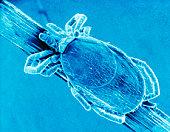 Over the last 80 years several people have had theories about parasites and their cause of cancer. By and large they have been ridiculed. But why? Dr Hulda Clarke wrote a book The cure for all cancers in which she stated her belief that all cancers had parasites at their root cause. And that the growth of modern chemicals in our blood streams meant these parasites could avoid the need for a second host. Another who had a parasite theory was Dr Royal Rife back in the 1930s. He identified 40 or so viruses or factors at the heart of different cancer cells and even used some to infect healthy cells. Both these Doctors developed frequency devises to kill these infections and leave the surrounding body cells intact. This is not madness as some would have it; the Russians are perfecting exactly the same sort of zappers.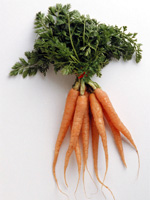
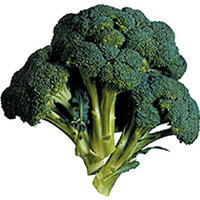
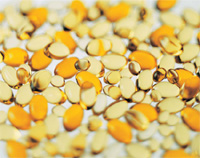
 Gerald has just published new book called "Breaking Through the Untouchable Diseases". This along with multi-strain probiotics and other products mentioned here can be found in the
